Retail environments in New Jersey face a unique challenge: constant foot traffic, multiple touchpoints, and limited control over who enters the space. Every day, customers and employees interact with the same work area, fixtures, and surfaces, increasing the risk of contamination. While a store may look visually clean, appearances alone do not guarantee safety.
Retail store disinfection goes beyond basic cleaning. It is a strategic process designed to prevent the spread of viruses and bacteria that can impact staff health, customer confidence, and even sales. A poorly maintained retail store can quickly damage brand reputation, especially in competitive markets where customer experience matters.
For store owners and managers, keeping a store clean is no longer just about presentation. It is about responsibility, trust, and long-term business continuity.
Difference between cleaning, sanitizing, and disinfecting
Many retail operators use these terms interchangeably, but they represent very different levels of hygiene.
- Retail Cleaning focuses on removing dirt, dust, and debris from surfaces. It improves appearance but does not necessarily eliminate germs.
- Sanitizing reduces the number of microorganisms to safer levels, often required in food-related retail environments.
- Disinfection eliminates harmful pathogens on surfaces after they have been properly cleaned. According to the CDC, proper disinfection is essential to reduce the spread of viruses and bacteria in commercial facilities. This step is essential to reduce the risk of illness transmission in high-traffic retail stores.
Understanding this difference helps managers make better decisions about daily routines and professional services.
Critical areas to disinfect in a retail store
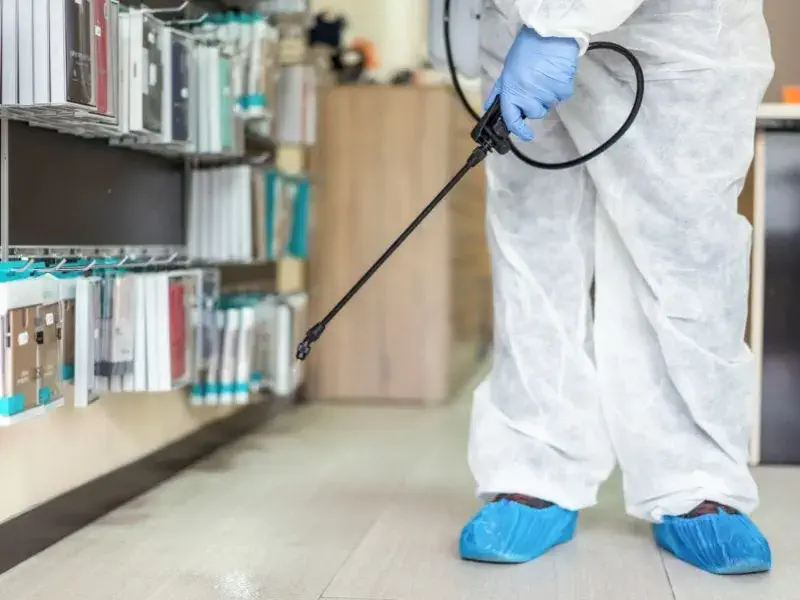
Not all surfaces carry the same level of risk. In any retail store, attention should be prioritized on high touch surfaces that are handled dozens or hundreds of times per day.
These include door handles, shopping carts, checkout counters, POS terminals, fitting rooms, restrooms, employee break areas, and shared equipment. These areas require consistent daily cleaning followed by proper disinfection to ensure real protection.
Neglecting even one of these points can undermine the entire hygiene strategy.
Effective disinfection methods for retail environments
In high-traffic commercial environments such as retail stores, not all disinfection methods deliver the same level of effectiveness. Below, we outline two of the most commonly used disinfection technologies in commercial cleaning today.
While both are widely applied, we explain their differences and clarify which option is most recommended for retail stores that require consistent results, operational efficiency, and a higher standard of protection for customers and employees.
Manual or traditional disinfection
Traditional methods rely on wiping surfaces with sanitizer and disinfecting solutions approved for commercial use. This approach requires surfaces to be cleaned first, then disinfected with correct dwell time.
While widely used, this method has limitations in retail spaces. Manual application depends heavily on human consistency, can miss hidden surfaces, and is time-consuming during business hours. For busy stores, relying only on this method often leads to uneven results.
Electrostatic disinfection
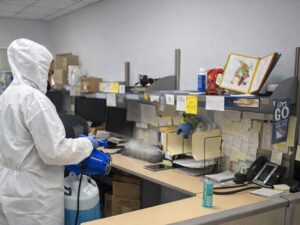
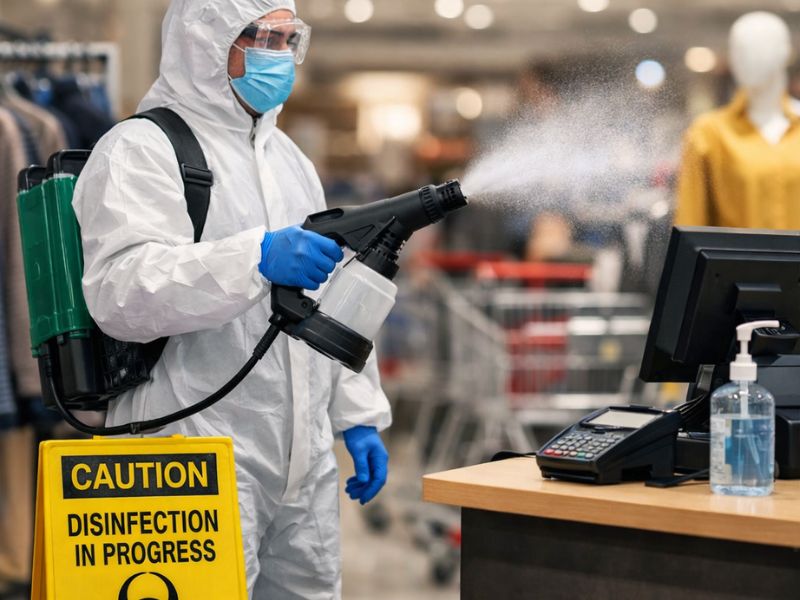
Electrostatic disinfection uses advanced equipment that applies a charged disinfectant mist, allowing it to wrap evenly around surfaces. This technology is especially effective for complex layouts and hard-to-reach areas.
At BAP Janitorial, we recommend this method because it delivers consistent coverage, minimizes human error, and allows retail operations to resume faster. It is particularly effective during deep cleaning sessions or after periods of high traffic.
Recommended disinfection frequency
A sustainable plan combines routine and intensive approaches. Regularly cleaning visible surfaces daily is essential, but it must be supported by scheduled disinfection.
High-touch areas should be cleaned and disinfected daily. Weekly reinforcement helps maintain standards, while periodic deep disinfection is recommended after peak seasons, special promotions, or reopening periods.
This layered approach helps clean and disinfect effectively without disrupting daily operations.
Business benefits of proper retail store disinfection

Consistent disinfection protects customers and employees, reducing sick days and operational disruptions. It also enhances customer perception, as shoppers increasingly notice hygiene practices when choosing where to spend their money.
A well-maintained store builds trust, strengthens brand image, and supports long-term loyalty. From a financial perspective, proactive disinfection can reduce liability risks and help avoid costly closures due to outbreaks.
When to hire a professional disinfection service
In many cases, internal staff and basic routines are not enough. Stores with high customer volume, extended hours, vulnerable employee groups, or multiple locations often require professional support.
A specialized provider brings trained staff, proven disinfection procedures, and commercial-grade equipment. Local expertise in New Jersey ensures compliance with regulations and adapts services to the realities of retail operations.
Best practices to support a sustainable hygiene plan
Even with professional services, store managers can reinforce safety by installing visible sanitizer stations, communicating cleaning protocols clearly, and training staff on hygiene awareness.
These measures complement professional disinfection and help prevent the spread of contaminants throughout the day.
If you want to protect your retail environment while enhancing customer confidence, now is the time to act. At BAP Janitorial, we are a family-owned company committed to precision, reliability, and long-term partnerships.
Contact us today to request your free estimate and learn how our professional retail store disinfection services can help you maintain a healthier, safer space for everyone who walks through your doors.