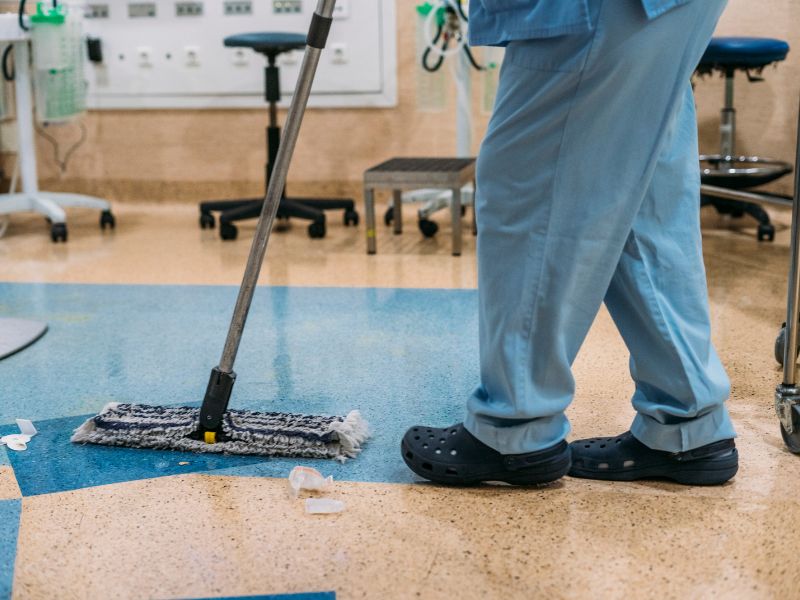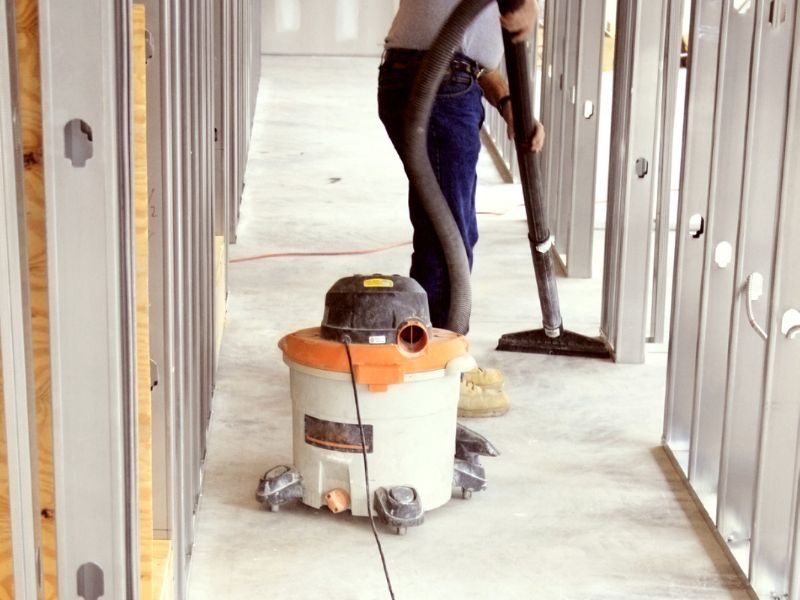
Maintaining an office building isn’t just about keeping it clean—it’s about creating a safe, healthy, and professional environment. Well-defined cleaning standards for office buildings help facility managers establish consistent expectations, protect building assets, improve occupant satisfaction, and optimize maintenance costs.
This guide explains the key standards every office building should follow, the factors that influence cleaning requirements, and how to build an effective cleaning program that delivers consistent results.
What are cleaning standards for office buildings?
Cleaning standards define the level of cleanliness a building should consistently maintain. They establish cleaning procedures, inspection methods, service frequencies, and quality expectations for every area of the facility.
Rather than applying the same cleaning routine everywhere, professional commercial cleaning services adjust maintenance according to occupancy, traffic, and the function of each space. A lobby, for example, requires different attention than a private office, while restrooms demand stricter hygiene protocols than storage areas.
Clear standards also make performance measurable, allowing property managers to verify service quality through inspections instead of relying on subjective opinions.
Why cleaning standards matter?
Consistent cleaning standards improve more than appearance. They support employee health, help reduce the spread of germs, protect building materials, and create healthier office environments.
Routine cleaning of high touch surfaces, regular floors cleaning, and preventive maintenance also help improve indoor air quality, reducing dust and allergens while extending the lifespan of flooring, carpets, and furniture.
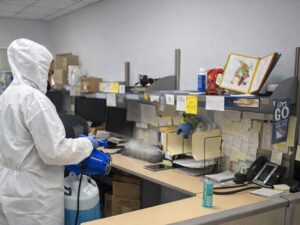
For property managers, standardized procedures simplify quality control and ensure every area is consistently cleaned. Following the CDC cleaning and disinfection guidelines can also help organizations strengthen their cleaning protocols and align with recognized public health recommendations.
The key elements of effective cleaning standards
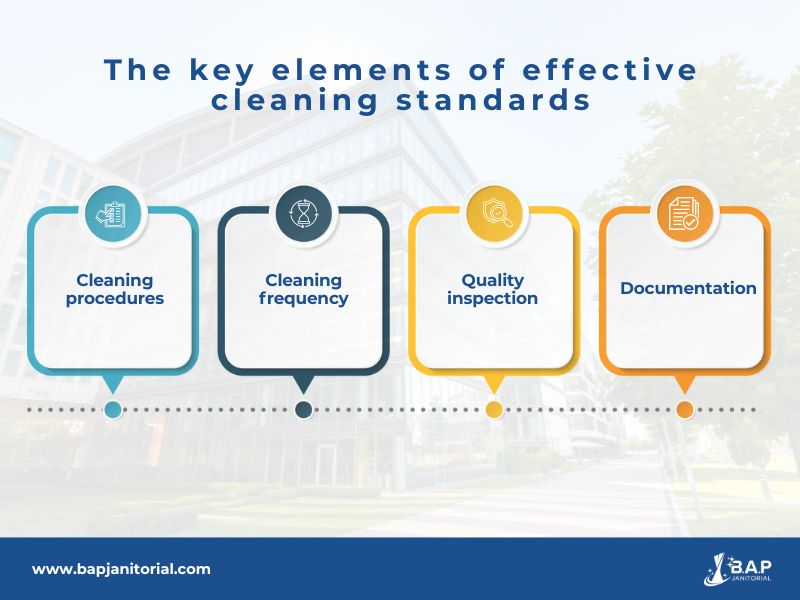
A successful cleaning program combines several elements that work together.
Cleaning procedures
Every surface requires the appropriate cleaning products, equipment, and techniques. Floors, carpets, glass, workstations, and restrooms should each follow documented procedures to ensure consistent results.
Cleaning frequency
Cleaning frequency should reflect how each area is used. Spaces with constant activity require more attention than low-occupancy offices.
Instead of assigning identical schedules throughout the building, professional office cleaning services develop an office cleaning schedule based on traffic patterns and operational needs.
Quality inspections
Cleaning standards should be verified through regular inspections. Checklists, supervisor walkthroughs, and performance audits help identify issues before they become recurring problems.
Documentation
Documented cleaning schedules, inspection reports, and service logs provide accountability while making it easier to adjust maintenance as building needs change.
Factors that influence cleaning standards
No two office buildings require the same cleaning program. Service levels should be adapted according to the following factors.
- Occupancy
The number of employees directly influences cleaning requirements. Higher occupancy increases waste, restroom use, and contact with shared surfaces.
- Traffic
Reception areas, elevators, corridors, kitchens, and meeting rooms are high traffic areas that require more frequent attention than private offices.
- Building type
Different industries have different expectations. For example, medical offices typically require more frequent cleaning than corporate offices because infection prevention is a higher priority.
- Flooring
Different flooring materials require different maintenance programs. Carpet, tile, vinyl, and stone all have unique cleaning and restoration requirements.
- Shared spaces
Break rooms, conference rooms, restrooms, and collaborative workspaces experience continuous use and should receive priority within any cleaning program.
Recommended cleaning frequency by area
There is no universal cleaning schedule. The appropriate frequency depends on occupancy, traffic, and business operations.
| Area | Recommended Frequency |
| Entrances and lobbies | Daily (more often during bad weather) |
| Reception | Daily |
| Workstations | Daily |
| Conference rooms | Daily or after use |
| Break rooms and kitchens | Daily |
| Restrooms | Multiple times per day |
| Door handles and high touch surfaces | Multiple times per day |
| Elevators | Daily |
| Hallways and common areas | Daily |
| Hard floors | Daily; periodic machine scrubbing |
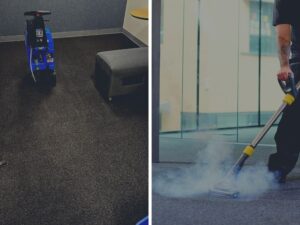
| Carpets | Vacuum daily; deep clean every 3–6 months |
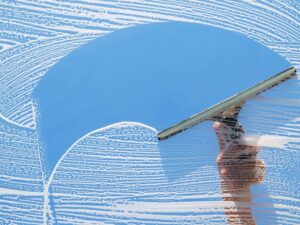
| Interior windows | Monthly |
| Exterior windows | Quarterly or semi-annually |
| Storage areas | Monthly |
As a general rule, entrances, restrooms, kitchens, reception areas, and high touch surfaces should receive daily attention, while preventive maintenance such as carpet extraction, floor restoration, and window cleaning can be scheduled periodically.
Daily, weekly, monthly, and quarterly cleaning
Dividing tasks into service intervals keeps maintenance organized and prevents unnecessary labor.
- Daily cleaning should focus on hygiene, waste removal, vacuuming, restroom sanitation, and disinfecting shared surfaces.
- A weekly cleaning can include detailed dusting, interior glass, spot carpet cleaning, and conference rooms.
- Monthly maintenance typically covers deep floor scrubbing, upholstery, vents, and detailed cleaning that isn’t required every week.
- Quarterly services focus on preserving building assets through carpet extraction, window cleaning, floor refinishing, and other specialized maintenance.
How building type influences cleaning standards

Cleaning standards should reflect how a building is used, not just its size. For example, medical offices require stricter disinfection protocols, while corporate offices typically prioritize workspaces, meeting rooms, and common areas. Multi-tenant buildings often need more frequent cleaning of shared spaces such as lobbies, elevators, and restrooms.
A customized cleaning plan based on building type, occupancy, and daily traffic ensures resources are used efficiently while maintaining consistent cleaning standards.
When cleaning standards should be adjusted?
Cleaning programs should remain flexible as building conditions change.
Additional cleaning may be necessary during flu season, after renovation work, during periods of severe weather, following large corporate events, or when occupancy increases.
Temporary adjustments help maintain hygiene standards without permanently increasing operating costs.
Common mistakes that reduce cleaning quality
Many facilities apply the same schedule throughout the building, regardless of how each space is used. This often results in over-cleaning low-use areas while neglecting busier spaces.
Another common mistake is focusing only on visible dirt. Proper cleaning also requires routine disinfection of shared surfaces, preventive floor maintenance, and regular quality inspections.
Finally, delaying preventive maintenance usually leads to higher repair and replacement costs over time.
Measuring cleaning performance
Cleaning standards should be monitored using measurable indicators rather than visual impressions alone.
| KPI | Why It Matters |
| Inspection score | Measures cleaning quality against established standards. |
| Complaint rate | Identifies recurring service issues. |
| Response time | Evaluates how quickly cleaning requests are completed. |
| Task completion rate | Confirms scheduled services are delivered on time. |
| Restroom inspection results | Ensures hygiene and supply levels remain consistent. |
| Floor condition | Monitors wear and preventive maintenance needs. |
| Customer satisfaction | Measures tenant or employee perception of cleanliness. |
Inspection scores, response times, completed work orders, tenant feedback, and recurring issues provide valuable insight into service quality and help identify opportunities for improvement.
Cleaning standards and budget optimization
Reducing cleaning frequency does not always reduce costs. In many cases, preventive maintenance is less expensive than repairing damaged flooring, replacing carpets, or addressing hygiene-related complaints.
An effective cleaning program allocates resources where they create the greatest value, balancing operational efficiency with occupant health and long-term asset protection.
Establishing effective cleaning standards for office buildings requires more than creating a cleaning checklist. It involves defining clear procedures, assigning the right cleaning frequency to each area, monitoring quality, and adapting the program as building conditions change.
A customized cleaning strategy helps maintain healthier workplaces, protects valuable building assets, and ensures employees, tenants, and visitors experience a clean, professional environment every day.
Partnering with an experienced commercial cleaning provider also allows facility managers to focus on daily operations while ensuring cleaning standards remain consistent across the entire property.
At BAP Janitorial, we develop customized cleaning programs based on your building’s occupancy, industry, and operational requirements. From routine janitorial services to specialized floor care and disinfection, our team helps businesses maintain consistent cleaning standards without unnecessary costs.
Contact us today to schedule a free estimate and discover how a tailored cleaning program can improve your workplace while protecting your investment.