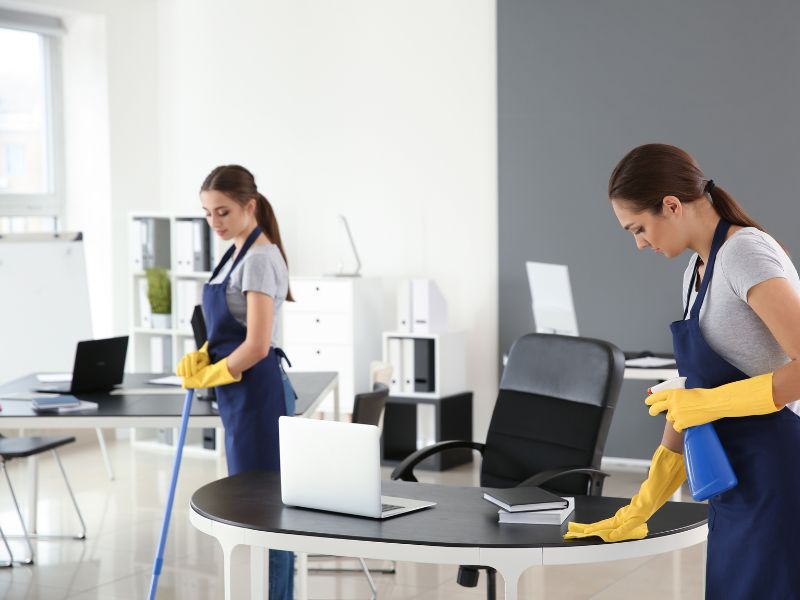
A professional cleaning service is essential to maintain high standards in any office space. However even the best commercial cleaning plan cannot prevent daily buildup if consistent habits are not in place
Whether you manage a corporate office, a dental clinic a law firm, or a specialized medical practice, maintaining a clean office between professional visits depends on simple routines and clear responsibilities. These daily actions help maintain hygiene improve the work environment, and ensure your space remains presentable at all times.
Why office cleanliness matters between professional cleanings
Maintaining office cleanliness goes beyond appearance. It directly impacts employee health, workplace hygiene, and overall productivity.
Regular cleaning routines reduce the spread of germs, especially in high traffic areas and shared environments. This is particularly critical in medical offices such as dental, gynecology, or pediatric clinics, where maintaining hygiene is not optional but expected.
A clean office environment also improves employee focus and reinforces a professional image. Clients visiting a law firm, notary office, or consulting space will immediately notice the condition of the office environment and associate it with the quality of service.
Preventing the buildup of dirt also allows professional cleaning visits to be more efficient and helps extend the life of floors, furniture, and equipment.
Daily office cleaning checklist
Maintaining a clean office space starts with a consistent daily office cleaning routine. These cleaning tasks should be simple, fast, and easy to follow across different types of offices.
Daily responsibilities should include emptying trash bins, wiping workstations, disinfecting high-touch surfaces, and maintaining common areas such as kitchens and restrooms.
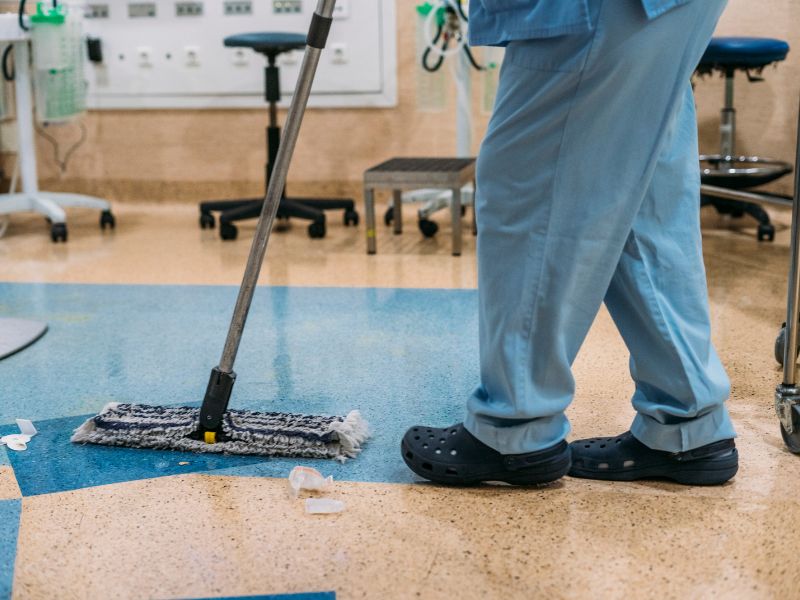
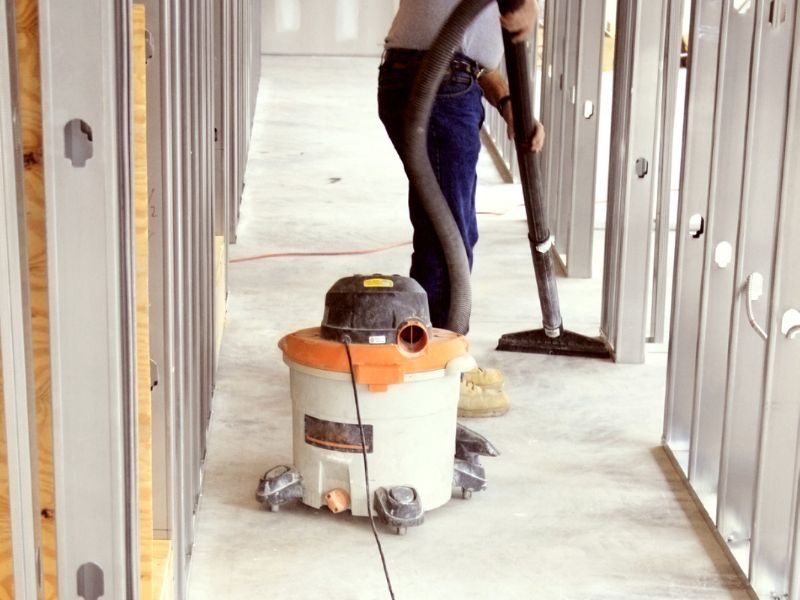
Spills should always be addressed immediately to prevent stains and long-term damage. Floors in high traffic areas should be spot cleaned or vacuumed to maintain a clean appearance throughout the day.
Restocking cleaning supplies such as soap, paper towels, and sanitizer is essential to support workplace hygiene.
Office cleaning checklist between professional visits
| Area / Equipment | Daily | Weekly | As Needed |
|---|---|---|---|
| Desks | Wipe surfaces | Declutter | Clean spills |
| Kitchen | Wipe counters | Clean fridge | Event cleanup |
| Restrooms | Check supplies | Deep touch-up | Report issues |
| Floors | Spot clean | Vacuum or mop | Spill cleanup |
| High-touch areas | Disinfect | Review missed spots | During flu season |
| Stairs | Remove debris | Mop and detail edges | After heavy traffic |
| Lobbies | Tidy and wipe surfaces | Dust and clean furniture | After peak hours |
| Counters | Wipe and disinfect | Polish or deep clean | After client visits |
| Reception | Clean desk and surfaces | Organize and dust | Before or after visitors |
| Waiting room | Straighten seating | Clean chairs and tables | After busy periods |
| Electronic devices | Wipe with safe wipes | Detail cleaning | After heavy use |
| Shared equipment | Disinfect after use | Inspect and deep clean | During illness outbreaks |
| Medical instruments | Follow protocol cleaning | Sterilization check | After each patient |
Focus first on hightouch surfaces
Not all areas require the same level of attention. High-touch surfaces should always be prioritized because they contribute the most to the spread of germs.
These include door handles, light switches, shared phones, printers, coffee machines, keyboards, and reception counters.
In medical offices, disinfecting these high-touch surfaces throughout the day is critical. In professional offices such as legal or financial firms, consistency is just as important, even if traffic is lower.
Providing easy access to disinfectant wipes near these areas helps reinforce daily cleaning habits.
How to safely clean office equipment and professional tools
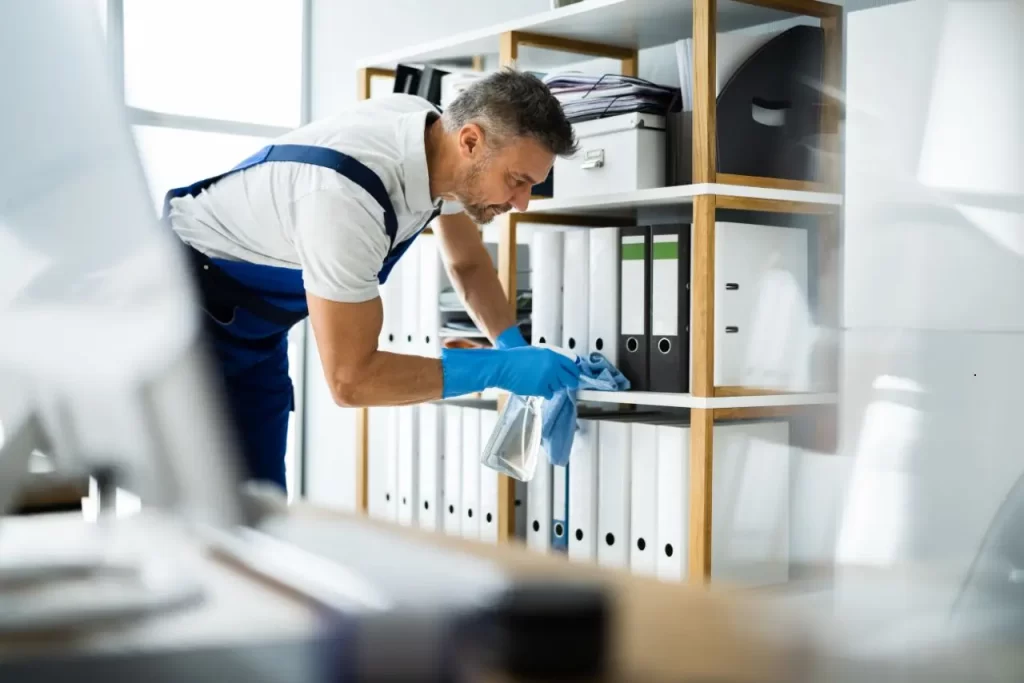
Not all cleaning tasks in an office environment are the same. Electronic devices and professional instruments require a more controlled approach to avoid damage and ensure proper hygiene.
In many workplaces, these items are either ignored or cleaned incorrectly, leading to equipment damage or ineffective sanitizing.
- Office electronics require controlled cleaning methods
Devices such as keyboards, monitors, phones, and printers are high-touch surfaces that require regular attention. However, spraying liquids directly onto these devices can cause permanent damage.
Cleaning should be done using microfiber cloths and electronics-safe cleaning products. Liquids must always be applied to the cloth, not directly to the device.
In offices such as law firms, architecture studios, or consulting spaces, this simple habit helps maintain office cleanliness without interrupting workflow.
- Shared equipment increases the risk of contamination
Shared equipment such as copiers, coffee machines, and front-desk systems are used by multiple people throughout the day. These should be disinfected frequently to reduce the spread of germs.
This is especially important in reception areas, waiting rooms, and client-facing environments.
- Medical and specialized instruments require strict protocols
In medical offices, including dental clinics and gynecology practices, cleaning must follow strict sanitizing and disinfecting protocols. Many instruments require sterilization after each use.
Even outside healthcare, specialized tools should be maintained using appropriate cleaning strategies to ensure performance and longevity.
- Use the right cleaning supplies safely
Using the correct cleaning products is essential. Microfiber cloths, disinfectant wipes, and surface-safe sprays should always match the material being cleaned.
Avoid mixing chemicals and always follow instructions. Improper use of cleaning products can damage equipment and reduce effectiveness.
- Keep desks and workstations clutterfree
A clutter-free workspace supports better cleaning routines and reduces the accumulation of dust and bacteria.
- Create a clean desk policy
A simple clean desk policy encourages employees to remove trash, organize materials, and avoid leaving food behind at the end of the day.
- Give employees easy access to cleaning supplies
Providing cleaning supplies throughout the office encourages employees to take responsibility for their space and maintain a clean office environment.
- Maintain kitchens and break rooms throughout the day
Break rooms are one of the most used common areas and require constant attention.
Spills should be cleaned immediately, and surfaces such as microwave handles and refrigerator doors should be wiped regularly. Food waste should be removed daily, and old food should be discarded weekly.
Keeping sinks, towels, and sponges clean helps prevent bacterial growth and supports overall hygiene.
- Restroom touchups between professional visits
Restrooms require consistent maintenance to remain presentable and hygienic throughout the day.
Checking supplies, wiping surfaces, and addressing minor issues ensures a clean office environment without replacing professional cleaning services.
- Improve indoor air quality and ventilation
Indoor air quality plays an important role in maintaining a healthy work environment.
Proper ventilation, clean HVAC filters, and entrance mats help reduce dust and airborne particles. In enclosed spaces, air purifiers can improve overall air quality.
- Manage waste and recycling properly
Proper waste management prevents odors, improves cleanliness, and supports a professional image.
Clearly labeled bins, regular emptying, and proper recycling practices are essential for maintaining office cleanliness.
- Create a simple office cleaning schedule
A structured office cleaning schedule helps maintain consistency without overwhelming employees.
- Daily tasks: Focus on hygiene, visible cleanliness, and high-touch areas.
- Weekly tasks: Include deeper cleaning tasks such as vacuuming, mopping, and dusting.
- Monthly tasks: Address less frequent needs such as storage organization and equipment review.
- Assign responsibilities without overloading employees
Employees should not replace professional cleaners. The goal is to create simple habits that support cleaning routines.
Clear responsibilities, visible checklists, and a clean-as-you-go culture improve consistency without adding stress.
- Use the right cleaning supplies safely
Using proper cleaning supplies ensures effective cleaning while protecting surfaces and equipment.
When to request an extra professional cleaning visit
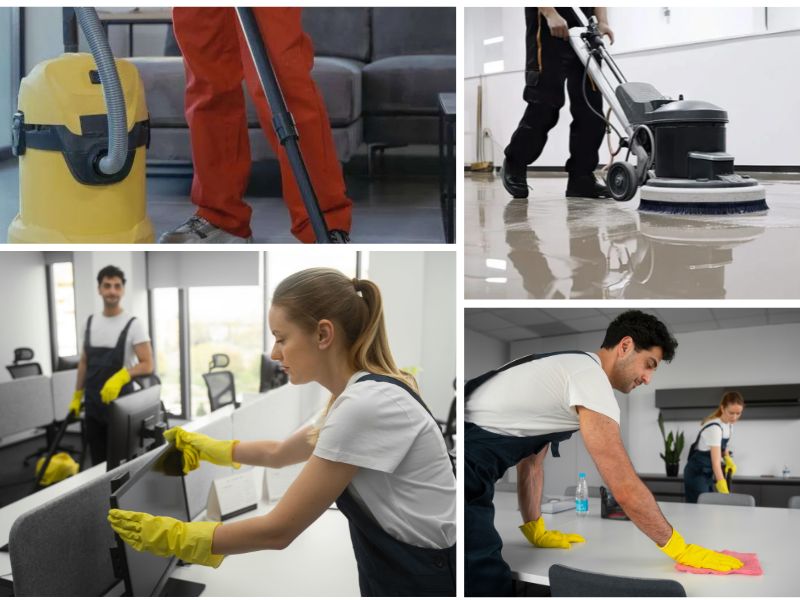
Certain situations require additional professional cleaning visits, such as after events, during flu season, or following heavy use of the office space.
Common mistakes to avoid
Common mistakes include ignoring high-touch areas, failing to restock supplies, and using incorrect cleaning products. These issues can quickly affect office cleanliness and hygiene.
Make cleanliness consistent
Maintaining a clean office between professional cleaning visits depends on consistency, simple routines, and access to the right cleaning supplies.
Whether in a medical office, corporate workspace, or professional firm, focusing on high-impact areas and preventing the buildup of dirt ensures a healthier, more productive environment.
IIf your office is struggling to maintain these standards, contact us today and let’s build a cleaning solution that keeps your space consistently professional.