Commercial facilities face cleaning challenges every day. Most offices, retail stores, medical facilities, and corporate buildings rely on scheduled janitorial services to keep their spaces clean, organized, and ready for employees and visitors. But even the most consistent maintenance program cannot prevent every situation that requires a higher level of cleaning.
Imagine your office receives professional cleaning every evening. Floors are vacuumed, trash is removed, restrooms are sanitized, and common areas are spotless before the next business day. Then one morning, a restroom experiences a plumbing overflow, a large coffee spill saturates the carpet in a conference room, or a renovation leaves fine construction dust covering every surface. Are these situations still considered part of routine cleaning?
Many facility managers assume they are, but the reality is different. While regular cleaning is designed to maintain cleanliness on a consistent basis, deep cleaning restores areas that have accumulated dirt, contamination, or damage beyond what routine maintenance is intended to address.
Understanding the difference between deep cleaning vs. regular cleaning helps organizations plan maintenance more effectively, protect their facilities, and minimize operational disruptions. In this article, we’ll explain when each service is appropriate and how to determine which one your building actually needs.
What is regular cleaning?
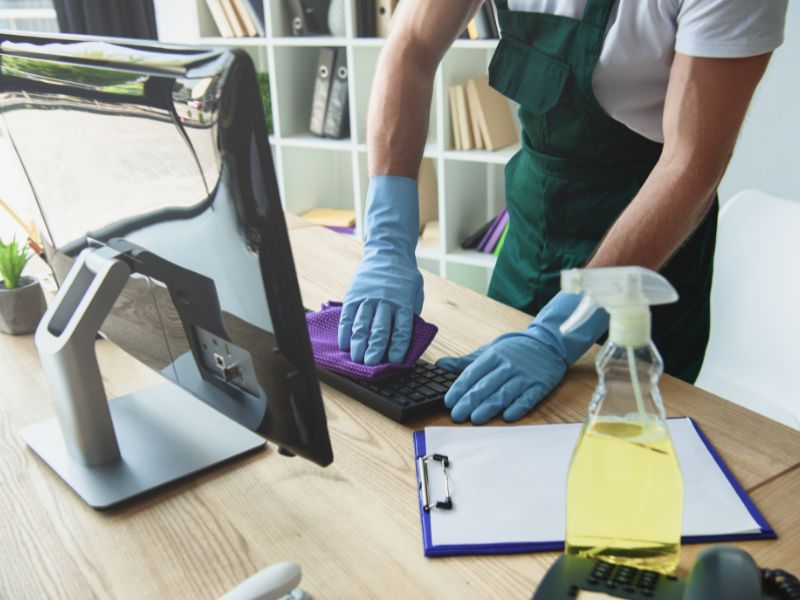
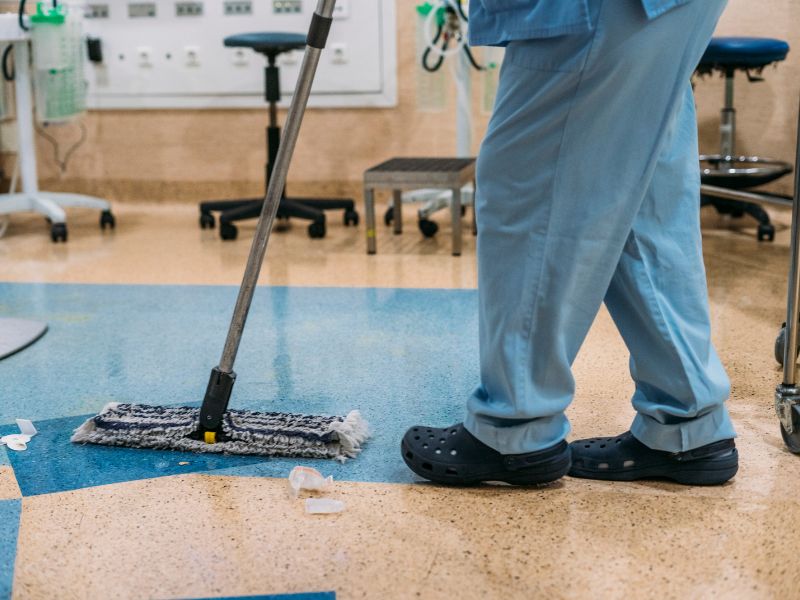
Regular cleaning refers to the scheduled maintenance performed daily, weekly, or according to an established cleaning program. Its primary purpose is to keep a facility consistently clean, sanitary, and presentable.
Rather than restoring neglected areas, routine cleaning focuses on maintaining cleanliness before dirt, dust, and contaminants become difficult to remove.
Most commercial cleaning programs include tasks such as:
- Vacuuming carpets
- Sweeping and mopping floors
- Dusting furniture and workstations
- Emptying trash and recycling bins
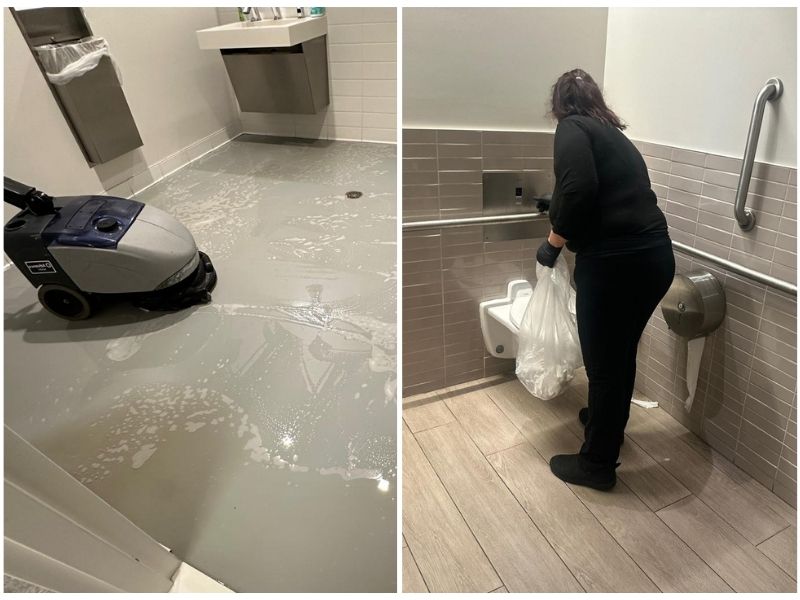
- Cleaning restrooms
- Sanitizing high-touch surfaces
- Cleaning break rooms and kitchens
- Restocking restroom supplies
The frequency of these services depends on the type of facility, the number of occupants, and daily traffic. High-use environments such as medical offices, schools, or retail stores often require daily cleaning, while smaller office spaces may only need service several times each week.
Regular cleaning is designed to maintain a clean, healthy, and professional environment through consistent care.
What is deep cleaning?
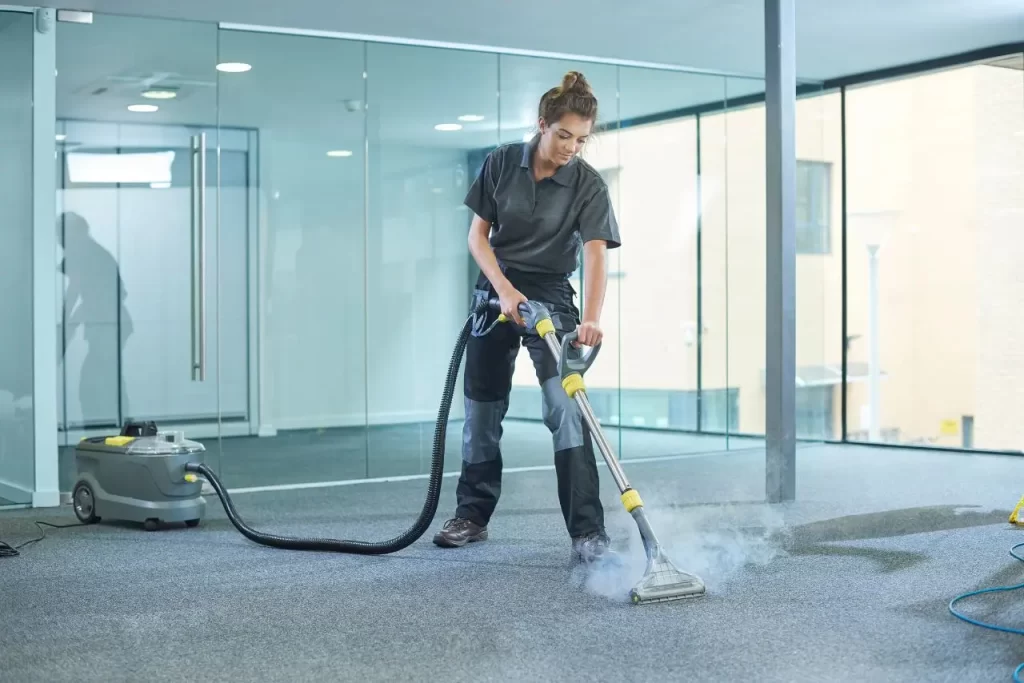
Deep cleaning goes beyond routine maintenance by addressing dirt, buildup, and contamination that accumulate over time or result from unexpected events.
Instead of focusing only on visible surfaces, deep cleaning reaches areas that are not typically included in everyday janitorial services. It often requires specialized equipment, additional labor, and more time to complete.
Examples of deep cleaning services include:
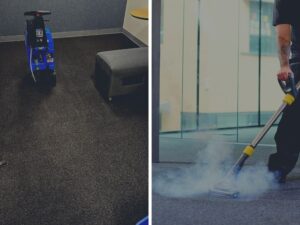
- Carpet extraction
- Grout and tile restoration
- High dusting of ceilings and overhead structures
- Hard floor stripping and waxing
- Floor polishing and restoration
- Interior window cleaning
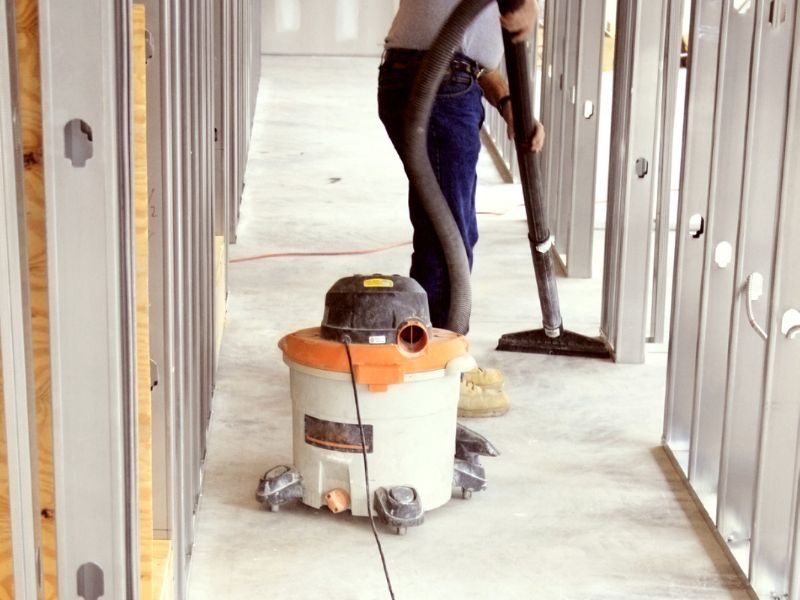
- Post-construction cleaning
- Biohazard cleanup
- Heavy grease removal
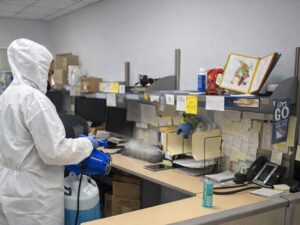
- Detailed disinfection after illness outbreaks
Deep cleaning is commonly scheduled quarterly, annually, after renovations, before inspections, during tenant turnovers, or whenever routine maintenance is no longer sufficient.
Its purpose is not simply to make a facility look cleaner but to restore areas that have experienced excessive buildup, contamination, or deterioration.
Deep cleaning vs. regular cleaning: Side-by-side comparison
| Category | Regular Cleaning | Deep Cleaning |
| Objective | Maintain cleanliness | Restore cleanliness |
| Frequency | Daily or weekly | Quarterly, annually, or as needed |
| Scope | Routine maintenance | Intensive restoration |
| Time Required | Predictable | Depends on facility condition |
| Equipment | Standard janitorial tools | Specialized equipment and machinery |
| Staffing | Regular cleaning crews | Additional technicians when required |
| Scheduling | Included in recurring service | Planned as separate projects |
| Typical Tasks | Vacuuming, mopping, trash removal | Carpet extraction, floor restoration, high dusting |
| Best For | Daily operations | Accumulated dirt or unexpected situations |
While both services contribute to a healthier facility, they serve very different purposes. Routine cleaning preserves existing cleanliness, whereas deep cleaning restores areas that have exceeded the limits of regular maintenance.
Real-life scenarios: Which service do you actually need?
Understanding real-world situations often makes the distinction much clearer.
Scenario 1: A coffee spill soaks into the carpet
Is regular cleaning enough? No.
Recommended service: Deep cleaning.
Vacuuming cannot remove liquid that has penetrated carpet fibers. Professional carpet extraction helps prevent stains, odors, and potential mold growth.
Scenario 2: Daily office operations
Is regular cleaning enough? Yes.
Recommended service: Regular cleaning.
Routine vacuuming, restroom sanitation, dusting, and trash removal keep the workplace consistently clean.
Scenario 3: Restroom plumbing overflow
Is regular cleaning enough? No.
Recommended service: Deep cleaning.
Water contamination requires specialized cleaning procedures, proper disinfectants, and additional sanitation measures.
Scenario 4: Office renovation is complete
Is regular cleaning enough? No.
Recommended service: Post-construction deep cleaning.
Construction dust settles inside air vents, lighting fixtures, walls, windows, and flooring. Specialized cleaning ensures the building is safe for occupancy.
Scenario 5: Heavy dust in warehouse ceiling beams
Is regular cleaning enough? No.
Recommended service: High dusting.
Dust accumulation in elevated areas often requires lifts, extension equipment, and trained technicians.
Scenario 6: Annual building refresh
Is regular cleaning enough? Partially.
Recommended service: Deep cleaning.
Many organizations schedule annual deep cleanings to restore carpets, hard floors, and hard-to-reach areas while maintaining their regular cleaning schedule throughout the year.
Scenario 7: Flu outbreak in the workplace
Is regular cleaning enough? Usually not.
Recommended service: Enhanced disinfection and deep cleaning.
Additional sanitization procedures help reduce contamination on high-touch surfaces throughout the facility.
Scenario 8: New tenant moving into a commercial space
Is regular cleaning enough? No.
Recommended service: Deep cleaning.
Preparing a vacant property often requires detailed cleaning of floors, walls, restrooms, windows, and hidden areas before occupancy.
Why some cleaning situations fall outside a routine janitorial contract?
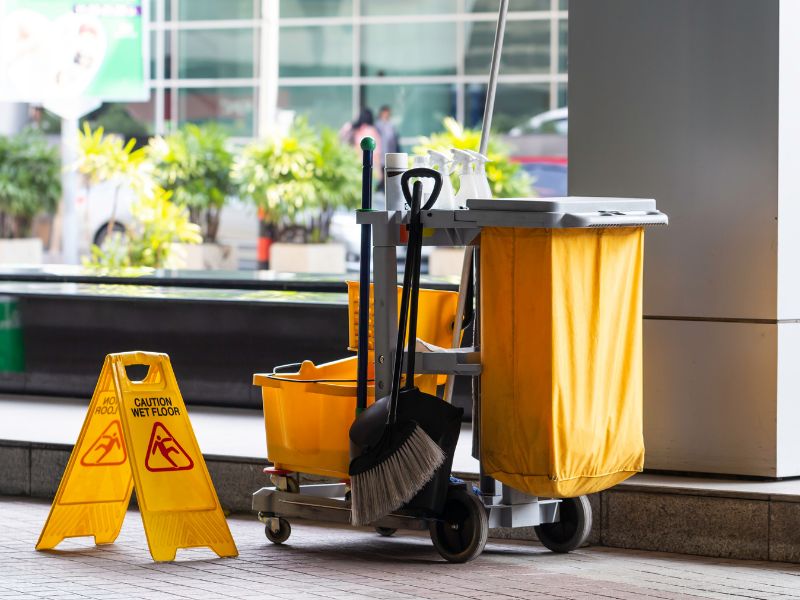
One common misconception is that every cleaning task automatically falls within a regular janitorial agreement.
In reality, routine cleaning contracts are built around predictable operations. Staffing levels, equipment, schedules, and labor hours are planned based on recurring tasks that occur consistently throughout the year.
Unexpected situations change those assumptions.
A water leak may require technicians to interrupt scheduled routes. Construction debris may require specialized equipment. Heavy floor restoration may demand additional labor and significantly longer service times.
In these situations, the original scope of work has changed.
Rather than representing a failure of the routine cleaning program, these situations simply require a different level of service that is designed for restoration instead of maintenance.
For this reason, deep cleaning projects are generally planned and scheduled separately from recurring janitorial services.
Why deep cleaning is usually scheduled separately?
Deep cleaning requires considerably more planning than routine maintenance.
Many projects involve specialized machinery, additional technicians, unique cleaning products, and longer service windows. In some cases, work must be completed after business hours to minimize disruption.
Facility managers also need to coordinate access to restricted areas, temporary closures, equipment movement, and operational schedules.
Because these projects affect staffing, scheduling, equipment availability, and the overall scope of work, they are typically organized as separate service appointments.
This approach ensures both the regular cleaning program and the restoration work receive the attention they require without compromising either one.
How facility managers can avoid unexpected cleaning costs?

Although some situations cannot be predicted, many deep cleaning projects can be planned in advance.
Facility managers can reduce surprises by following a preventive maintenance strategy.
Some best practices include:
- Schedule quarterly deep cleaning services for high-traffic areas.
- Inspect flooring, carpets, and restrooms regularly.
- Address spills immediately before stains become permanent.
- Report water leaks as soon as they are detected.
- Include emergency response procedures in your maintenance plan.
- Schedule annual floor restoration when appropriate.
- Review cleaning programs periodically to ensure they still match facility usage.
Preventive planning often extends the life of flooring, improves workplace appearance, and helps maintain consistent cleaning standards throughout the year.
Regular cleaning keeps your facility operating efficiently day after day. Deep cleaning restores cleanliness when unexpected situations or long-term buildup exceed the limits of routine maintenance.
Neither service replaces the other. Instead, they work together as part of a comprehensive facility maintenance strategy that protects your building, supports employee well-being, and creates a professional environment for everyone who enters your space.
If you’re unsure whether your facility needs routine maintenance or a deep cleaning project, a professional assessment can help determine the most effective solution based on your building’s condition, occupancy, and operational requirements.