Finishing a construction project is exciting. Whether it is a commercial renovation, tenant fit out, or office remodel, the transformation feels complete. However, one critical phase remains before the space can be safely occupied: cleaning the dust from construction.
Construction dust is not ordinary household dust. It contains fine dust particles from drywall, silica, wood, insulation, and sometimes cement. These microscopic particles linger in the air, settle inside vents, and cling to every surface. If not removed correctly, they continue circulating long after the project ends.
Understanding how to clean up construction dust properly protects indoor air quality, prevents surface damage, and ensures a truly dust free environment.
Why Cleaning Construction Dust Matters?
Dust from construction often contains silica and other irritants that affect respiratory health. Even a small amount of dust can trigger allergies, aggravate asthma, and damage HVAC systems over time.
In commercial environments, post construction cleaning is not just cosmetic. It ensures employee safety, regulatory compliance, and protects long term property value. The amount of dust left behind after sanding drywall or cutting materials is usually far greater than most people expect.
This guide will walk you through safe preparation, step by step cleaning, and when professional support may be necessary.
Before You Start: Preparation and Safety
Preparation determines whether the cleaning process spreads dust or removes it effectively.
First, ventilate the space. Open windows when possible and use fans to circulate air outward. Replace or inspect the air filter before beginning so you are not redistributing contaminants.
Second, wear proper protective gear. An N95 mask, gloves, and safety goggles are essential. Construction dust contains microscopic dust particles that can irritate lungs and eyes.
Gather the correct tools before starting:
- Microfiber cloths
- Damp cloths
- Mop and bucket
- Broom and dustpan
- Vacuum with HEPA filter
- Trash bags for debris removal
Using the right equipment makes the difference between truly clean surfaces and simply moving dust around.
Cleaning Strategy: Work From Top to Bottom
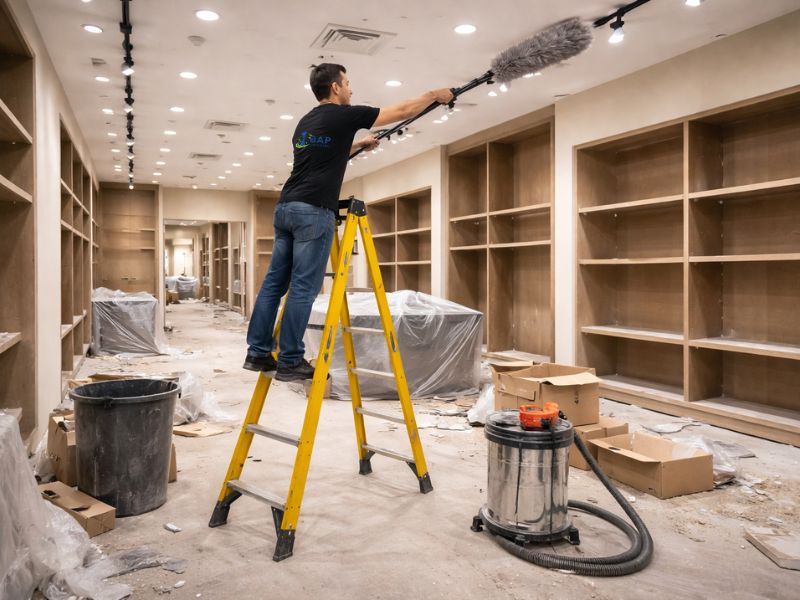
When learning how to clean up construction dust, the most important rule is to clean from top to bottom.
Step 1: Remove Large Debris
Before focusing on fine dust, remove nails, wood scraps, packaging, and larger debris left from the construction project. This prevents scratches and allows access to all surfaces.
Step 2: Start With High Surfaces
Begin with ceilings, light fixtures, vents, and upper walls. Use microfiber dry dusting tools for the first pass. Avoid aggressive dry dusting with rough rags, as this spreads particles into the air.
After the initial pass, follow with lightly damp cloths to capture remaining residue. Do not soak surfaces, as excess moisture can damage drywall or paint.
Step 3: Clean Walls and Windows
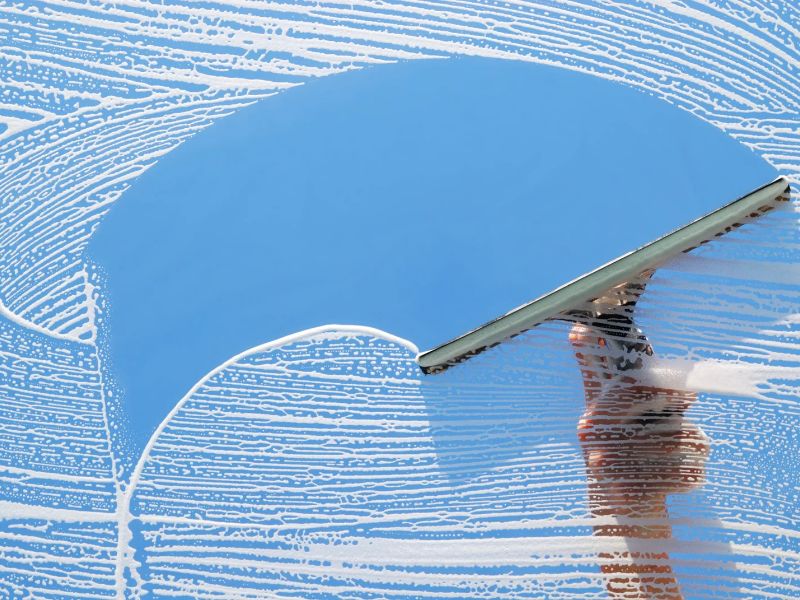
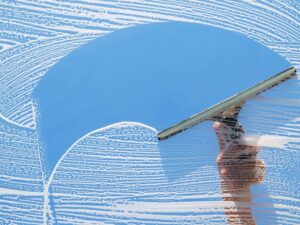
Wipe walls gently using a damp cloth. Pay close attention to window frames and ledges, which collect heavy dust accumulation. Glass should be cleaned last to avoid recontamination.
Step 4: Address Floors
Hard floors require multiple steps. First vacuum using a machine equipped with a HEPA filter. This captures microscopic particles that standard vacuums release back into the air.
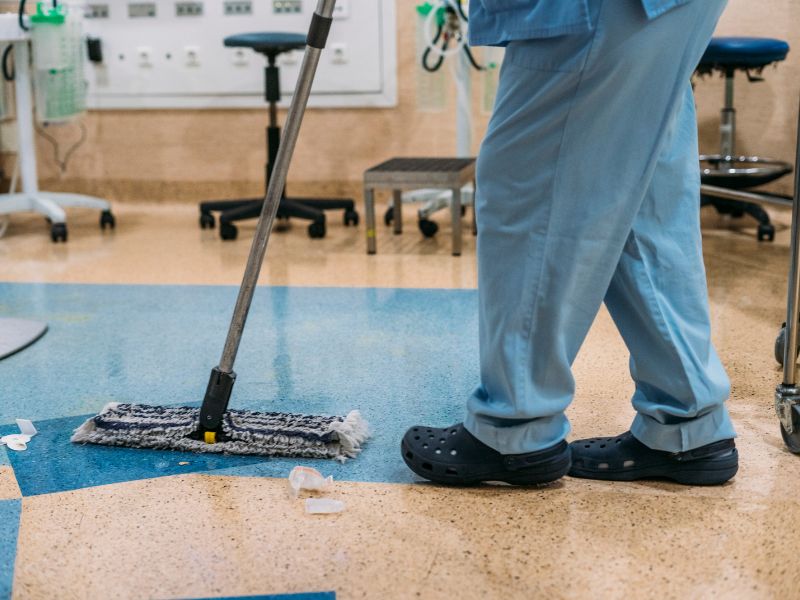
After vacuuming, mop lightly. Avoid saturating wood floors. For tile or vinyl, use appropriate cleaning solutions designed for post renovation residue.
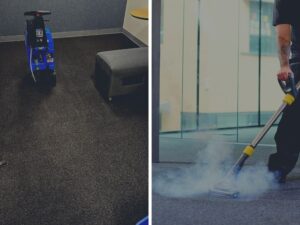
Carpets require careful vacuuming in multiple passes. In many cases, professional carpet extraction is recommended to fully remove embedded dust.
Surface by Surface Techniques
Different materials respond differently to dust removal.
Walls and Ceilings
Microfiber tools are ideal for dry dusting initial layers. Follow with damp cloths to trap fine particles. Never use compressed air, as it pushes dust deeper into the space.
Floors
Hardwood floors require gentle vacuuming and minimal moisture. Tile and grout may need deeper scrubbing if cement residue is present. Clean floors are achieved through repeated passes rather than one heavy cleaning.
HVAC Systems and Vents
One of the most overlooked areas in post construction cleaning is the HVAC system. Dust settles inside vents and ductwork, then circulates throughout the building.
Replace filters immediately. If heavy contamination occurred, consult a specialist to inspect ducts. A clean air filter combined with proper vent cleaning significantly improves indoor air quality.
Tools Guide: Choosing the Right Equipment
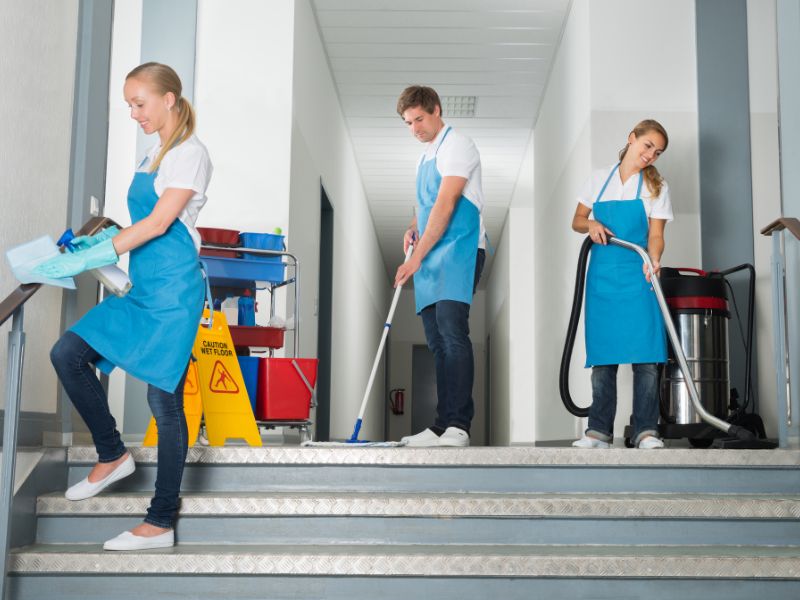
Not all vacuums are equal. A vacuum with a HEPA filter captures particles as small as 0.3 microns, preventing them from reentering the air. Standard household models often lack this capability.
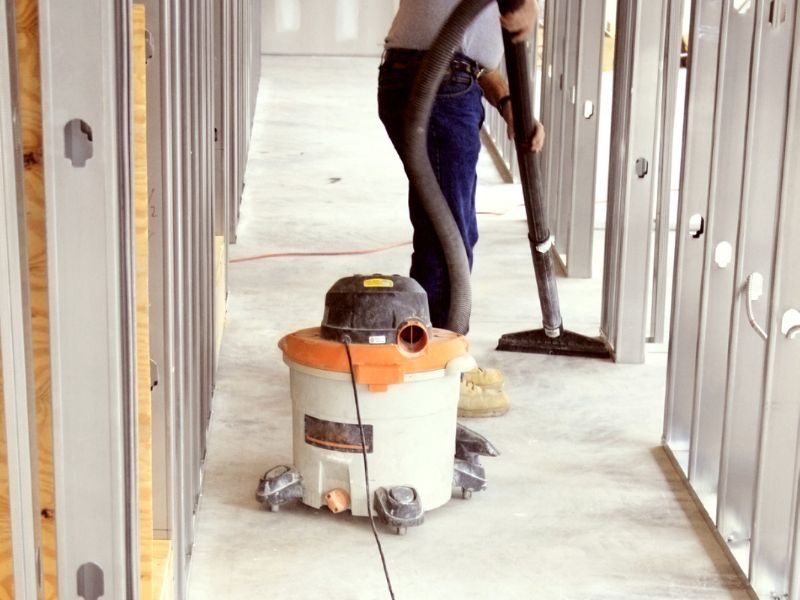
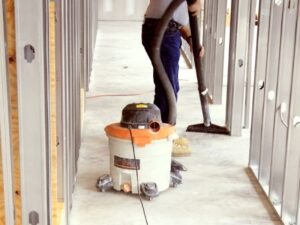
A shop vacuum may help with larger debris, but it must include a HEPA filter to be effective for fine dust.
Microfiber cloths outperform paper towels because they trap dust instead of spreading it. Professional cleaning services often rely on commercial grade HEPA systems and multi stage filtration equipment for complete dust removal.
Common Mistakes to Avoid
Many people unintentionally spread dust instead of removing it.
- Using only dry dusting without follow up damp wiping pushes particles into the air.
- Skipping HVAC cleaning allows dust to circulate repeatedly.
- Applying too much water to floors can damage surfaces.
- Attempting to finish in one pass leaves behind hidden residue.
Construction dust removal requires patience and multiple stages.
When to Hire Professional Help
For large commercial properties or extensive renovations, the volume of dust may exceed what standard tools can handle.
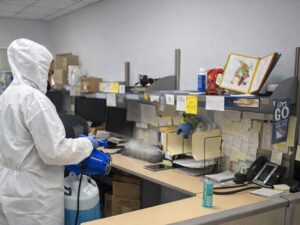
Professional post construction cleaning teams use industrial equipment, advanced filtration systems, and structured cleaning protocols. In New Jersey, commercial post renovation cleaning typically ranges from $0.20 to $0.50 per square foot depending on scope and complexity.
Hiring professionals ensures the space is safe, compliant, and ready for occupancy without lingering dust contamination.
Knowing how to clean up construction dust correctly protects health, preserves surfaces, and ensures a truly dust free environment after any construction project.
By preparing properly, using HEPA filtration, working from top to bottom, and avoiding common mistakes, you can eliminate fine dust effectively. For larger projects or commercial facilities, professional post construction cleaning provides peace of mind and measurable results.
If your New Jersey facility has recently completed renovations and requires expert dust removal, our team at BAP Janitorial is ready to help you restore safe, clean conditions efficiently and thoroughly. Contact us to schedule a post construction cleaning assessment today.