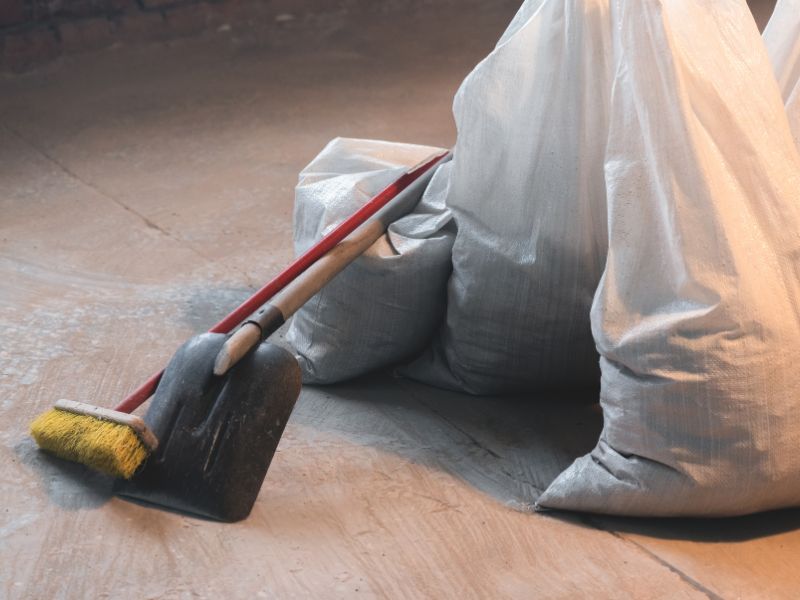
Commercial facilities constantly undergo renovations, tenant improvements, equipment installations, and construction projects. While these upgrades add value, they often leave behind stubborn cement residue that can damage expensive surfaces if removed incorrectly.
The best way to remove cement depends on much more than the cleaning product. Facility managers must consider the type of cement, the surface involved, the age of the residue, and the operational requirements of the building. Choosing the wrong removal method can permanently damage flooring, glass, metal finishes, or decorative stone, leading to unnecessary replacement costs and operational disruptions.
This article explains how commercial cement removal should be approached in professional environments where protecting valuable assets is just as important as removing the residue itself. If the cement buildup is the result of a renovation or construction project, professional post construction cleaning services can also help ensure every surface is properly cleaned and restored before the facility returns to normal operations.
What type of cement are you trying to remove?
Not all cement residue behaves the same way. Identifying the material is the first step toward selecting the safest removal method.
Fresh cement is still soft and can often be removed before it chemically bonds with the surface.
Dry cement requires more aggressive techniques because hydration has already hardened the material.
Concrete splatter commonly appears after construction or slab work and varies in thickness.
Mortar residue is frequently found on masonry, brick walls, and stone installations.
Construction residue often includes multiple materials mixed together, including cement dust, concrete slurry, and finishing compounds.
A thin cement film may remain on tile, polished concrete, or decorative surfaces after installation, requiring delicate removal methods to avoid scratching.
Each type requires a different approach depending on the substrate underneath.
The best method depends on the surface
| Surface | Recommended Method | Risk Level |
|---|---|---|
| Concrete | Pressure washing or mechanical removal | Low |
| Brick | Cement dissolver followed by gentle brushing | Medium |
| Natural stone | Professional non-acidic products | High |
| Glass | Specialty cement remover and plastic scraper | Medium |
| Metal | Surface-safe dissolvers with soft tools | Medium |
| Tile | Professional cement remover based on tile finish | Medium |
| Epoxy floors | pH-neutral products designed for coatings | High |
| Warehouse floors | Mechanical equipment or diamond grinding when necessary | Medium |
Every commercial surface responds differently. What works well on structural concrete may permanently etch polished stone or damage protective floor coatings. Professional evaluation prevents costly mistakes while preserving the life expectancy of the surface.
Effective ways to remove cement
Pressure washing
Pressure washing is highly effective for fresh residue on durable exterior concrete. However, excessive pressure may damage coatings, joints, or decorative finishes if not properly adjusted.
Cement dissolver
Modern cement dissolvers chemically soften hardened cement without the aggressive effects associated with traditional acids. They are often preferred for sensitive commercial environments.
Mechanical scraping
Plastic blades, specialized scrapers, and mechanical tools remove thicker deposits while minimizing damage. The correct equipment depends entirely on the surface material.
Acid-based cleaners
Certain acid formulations can dissolve cement quickly but should only be used on compatible surfaces by trained professionals. Improper application may permanently discolor or weaken building materials.
Eco-friendly cement removers
Many commercial properties now prefer environmentally responsible products that reduce hazardous runoff while maintaining excellent cleaning performance. These solutions are particularly valuable for occupied buildings, healthcare facilities, and educational campuses.
Diamond grinding for large commercial areas
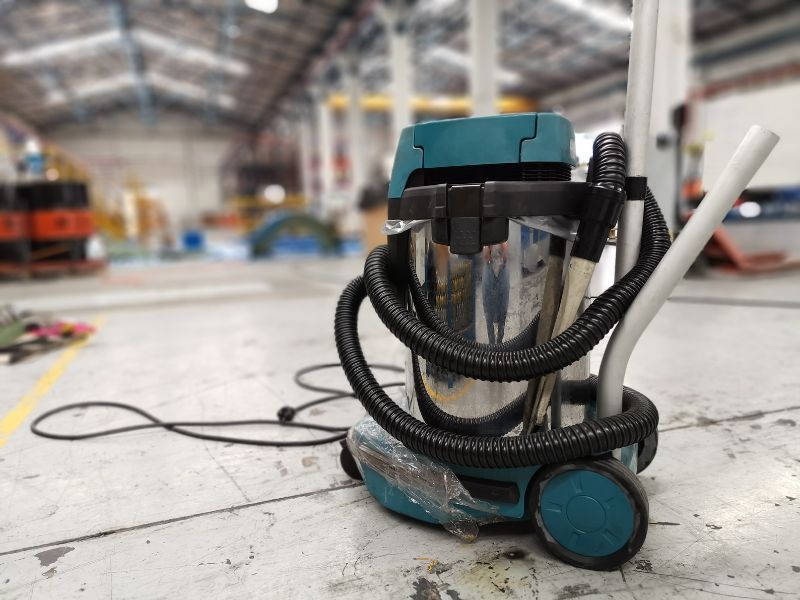
Large warehouses, distribution centers, and industrial facilities often require diamond grinding when heavy cement buildup covers extensive floor areas. This process efficiently removes hardened material while preparing the floor for coatings or polishing.
Professional surface restoration
Some projects require more than simply removing cement. Professional restoration may include polishing, resealing, coating repair, or protective treatments that restore the appearance and durability of the original surface.
What not to do when removing cement?
Several common mistakes significantly increase the risk of permanent damage.
- Using muriatic acid on delicate surfaces can permanently etch natural stone, glass, and certain floor finishes.
- Scraping polished materials with metal tools often leaves irreversible scratches.
- Mixing cleaning chemicals creates unpredictable chemical reactions that may endanger workers and damage surfaces.
- Applying excessive pressure with pressure washers can remove protective coatings and weaken joints.
- Waiting too long allows cement to fully cure, making removal substantially more difficult and increasing restoration costs.
Commercial spaces that commonly need cement removal

Commercial cement removal is frequently required after renovations, tenant improvements, equipment installations, and new construction.
Typical facilities include:
- Office buildings
- Warehouses
- Manufacturing plants
- Retail stores
- Shopping centers
- Schools
- Hospitals
- Parking garages
- Apartment complexes
- Construction sites
For facility managers, rapid cement removal helps maintain a professional appearance while minimizing disruption to employees, customers, and daily operations.
Why professional cement removal saves money
Professional cement removal protects valuable commercial assets while reducing long-term maintenance expenses.
Proper techniques help avoid unnecessary surface replacement, minimize accidental damage, shorten project timelines, improve workplace safety, and reduce downtime.
Professional contractors also use commercial-grade equipment, specialized products, and insured service teams that deliver consistent results across multiple property types. Following recognized industry standards, such as those promoted by the Institute of Inspection Cleaning and Restoration Certification (IICRC), helps ensure safe cleaning practices and proper surface care.
For businesses managing large facilities, preventing damage is almost always less expensive than repairing it.
How our commercial cement removal process works
Our commercial cement removal process is designed to deliver consistent results while protecting every surface.
We begin with a detailed inspection to identify the type of residue and evaluate the condition of the substrate.
Surface testing allows us to determine the safest removal method before work begins.
We then select the appropriate products and equipment based on the material involved.
The cement removal process is performed using techniques that minimize the risk of damage.
After removal, we complete a thorough rinse and cleanup to eliminate remaining residue.
When appropriate, protective treatments are applied to help preserve the cleaned surface.
Types of cement residue we remove
Our commercial services address a wide variety of construction-related residue, including:
- Concrete splatter
- Mortar stains
- Thinset
- Tile adhesive
- Grout haze
- Cement dust
- Construction residue
- Concrete slurry
- Dry concrete buildup
- Efflorescence
Every residue type requires a different combination of equipment, cleaning products, and restoration techniques to achieve safe and effective results.
Cement removal cost

The cost of commercial cement removal depends on several factors rather than a single square-foot price.
Important variables include the surface material, total area, thickness of the cement buildup, site accessibility, specialized equipment requirements, and the urgency of the project.
Facilities with occupied spaces or after-hours scheduling requirements may also require customized service plans that minimize operational interruptions.
A professional site evaluation provides the most accurate estimate while identifying the safest removal approach.
Why businesses across NJ choose professional cement removal
Commercial property owners and facility managers across New Jersey rely on experienced contractors because they need dependable results without risking costly damage.
Professional services provide fully insured technicians, commercial-grade equipment, fast response times, flexible after-hours scheduling, environmentally responsible cleaning options, and specialized solutions for commercial properties of every size.
Choosing an experienced commercial contractor allows businesses to protect their investment while maintaining safe, clean, and professional facilities.
If your facility has hardened cement residue after construction or renovation, professional removal can restore your surfaces while preventing unnecessary damage.
Contact BAP Janitorial today to schedule a free estimate and learn how our commercial cleaning specialists help businesses throughout New Jersey maintain safe, professional, and well-maintained facilities.