New Jersey businesses face a unique set of cleaning challenges due to seasonal weather changes, heavy foot traffic, and the diverse nature of commercial buildings across the state. Whether your company operates in a busy corporate office in Newark, a retail store in Jersey City, or a multi-tenant commercial building in Morristown, maintaining a consistently clean and safe environment is critical.
A well-maintained office space protects employee health, strengthens your brand image, and ensures compliance with standards that apply to high-traffic workplaces. This guide offers practical office cleaning tips tailored specifically for New Jersey businesses, including step-by-step routines, climate-ready strategies, and insights from professional commercial cleaning teams.
Diagnosing the space
Before implementing a structured cleaning plan, every business should assess the specific needs of its workspace. Offices typically include several zones such as reception areas, open desks, meeting rooms, break rooms, restrooms, and storage or retail display areas.
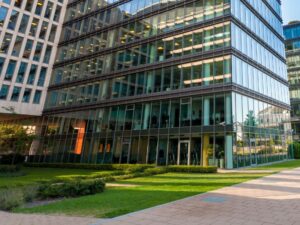
In New Jersey, entrances and lobbies often require extra attention because winter months introduce snow, ice, and road salt that accumulate on floors and mats. Glass façades, common in many NJ office buildings, also show fingerprints and smudges quickly due to high visitor turnover.
Start with a simple checklist: evaluate the condition of floors, check for dust in vents and corners, inspect desk areas for clutter, examine carpets for stains, and verify whether trash bins are emptied consistently. This diagnostic step allows facility managers to understand where cleaning gaps exist and how to prioritize both regular cleaning and scheduled deep cleaning procedures.
Routine: daily, weekly, monthly, annual
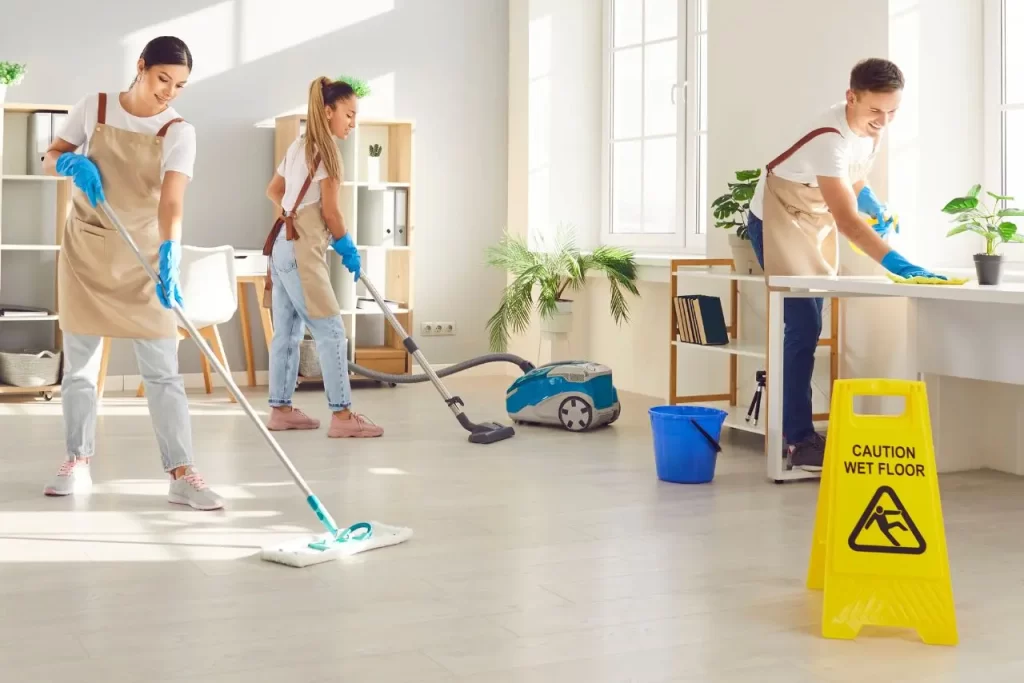
A structured cleaning schedule supports consistency and ensures every zone receives the proper care.
Daily tasks
Daily cleaning must prioritize the areas that are touched most often and experience the highest level of traffic. This includes:
- Wiping down door handles, light switches, and computer keyboards, emptying trash bins, sanitizing break rooms, and refreshing restroom fixtures.
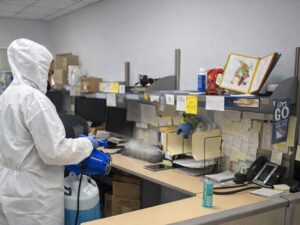
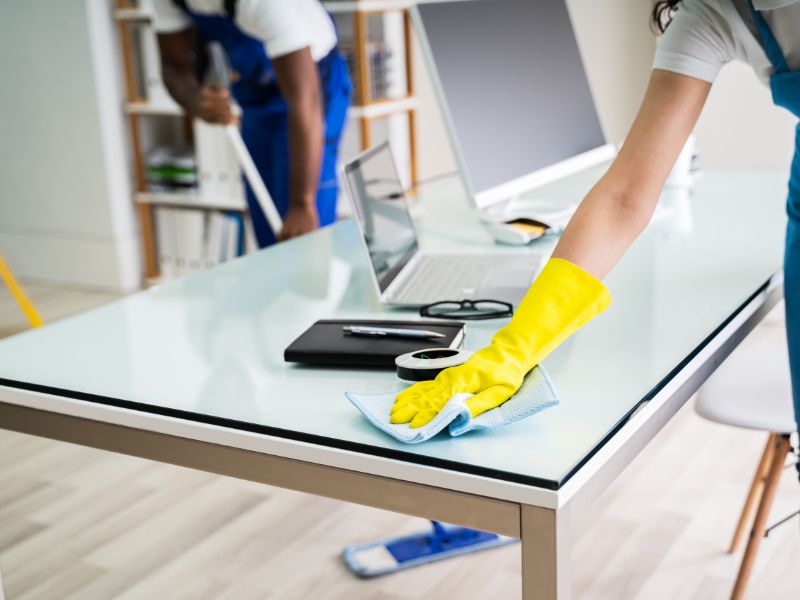
- Work surfaces, conference tables, and shared equipment should be disinfected using disinfectant spray or disinfectant wipes.
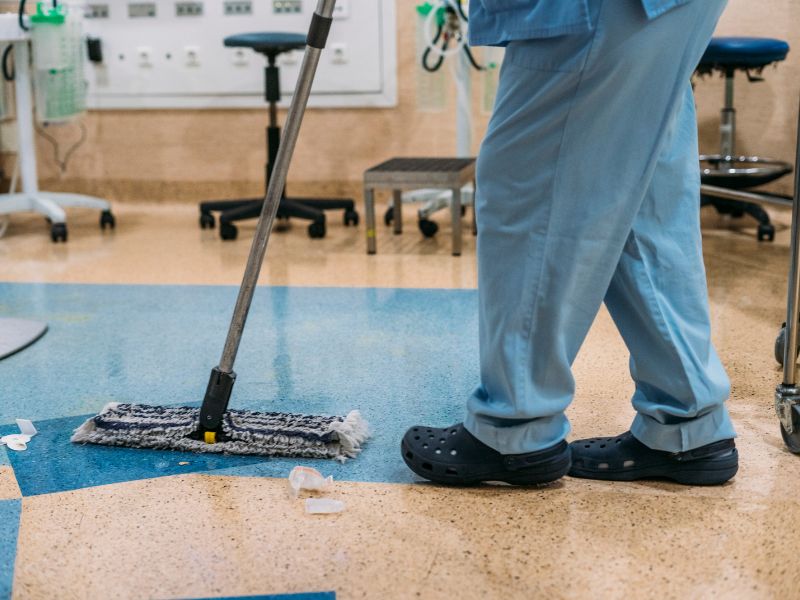
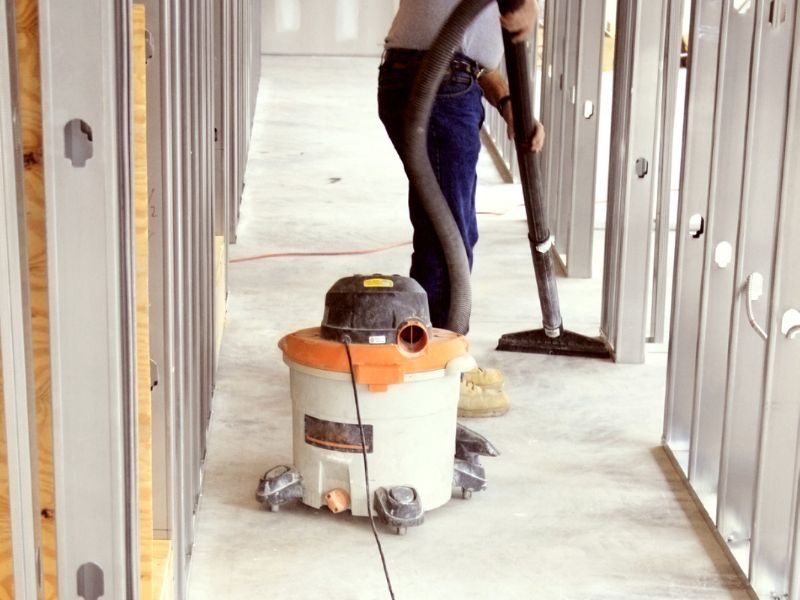
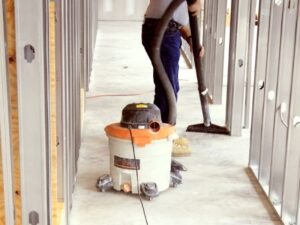
- Floors in reception areas benefit from vacuuming or mopping to remove winter debris or summer dust.
Weekly tasks
Weekly routines require deeper attention. Vacuum carpets thoroughly using vacuum cleaners with HEPA filtration, dust behind monitors and under office furniture, clean interior glass, and sanitize kitchens and communal areas.
Retail stores should also clean display countertops and shelving to maintain product presentation.
Monthly tasks
Monthly cleaning should address areas often overlooked during routine maintenance, such as fabric furniture, personal items storage areas, vents, carpets, and hard-floor refinishing needs.
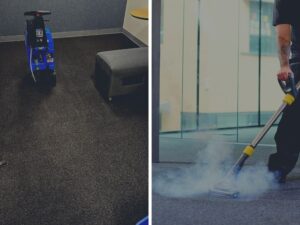
A professional team may conduct machine scrubbing or spot-treating carpets depending on foot traffic.
Annual or seasonal tasks
New Jersey’s seasonal shifts justify annual or biannual deep cleanings.
- A “winter-ready” routine includes treating floors to prevent slip hazards, refreshing entryway mats, and ensuring proper ventilation.
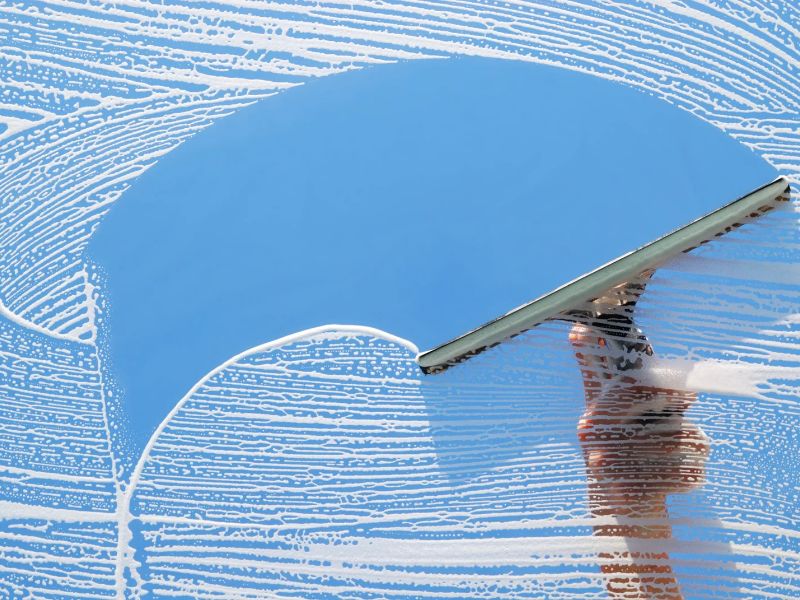
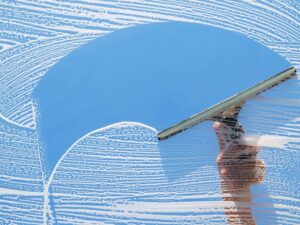
- A “spring cleaning” may involve exterior window cleaning, polishing floors, and a full top-to-bottom disinfecting approach.
New Jersey–specific considerations

The New Jersey climate demands flexible cleaning strategies. Snow, rain, and humidity can damage flooring and create slippery conditions in lobbies.
Retail stores often experience higher dirt accumulation near entrances, while office towers may see increased dust during summer due to HVAC system strain. To protect flooring materials, businesses should invest in heavy-duty entry mats, regularly inspect high-traffic zones, and schedule more frequent cleaning during winter months.
Compliance with OSHA and building-safety guidelines is especially important for commercial locations that receive public visitors.
Materials, products, and techniques
Choosing the proper cleaning solutions delivers thorough sanitation while preventing any harm to furniture or flooring. EPA-approved disinfectants, microfiber cloths, HEPA-filtered vacuum cleaners, and color-coded cleaning supplies help prevent cross-contamination.
Hard floors require different care depending on their materials: vinyl must be mopped with neutral cleaners, carpeted surfaces require extraction periodically, and concrete surfaces often need sealing or polishing.
Break rooms and restrooms benefit from specialized degreasers and disinfectants, and paper towels should be stocked consistently to encourage hygienic employee habits.
How to choose an office cleaning service in NJ
Selecting the right office cleaning service involves more than comparing prices. New Jersey business owners should prioritize companies with experience in cleaning offices, retail spaces, and large commercial buildings.
A reliable commercial cleaning partner will suggest a tailored cleaning schedule, explain the products they use, and provide detailed documentation after each service visit.
Benefits for your business
A professionally cleaned workspace enhances brand perception, protects your investment in flooring and furniture, and creates a healthier environment for employees and visitors. Clean offices support productivity, reduce absenteeism, and help businesses remain compliant with safety standards.
Maintaining a spotless workspace in New Jersey requires thoughtful planning, the right tools, and a team capable of adapting to seasonal conditions. No matter if you manage an office, retail space, or larger commercial facility, having a well-organized cleaning routine in place is crucial.
If you are unsure where to begin or need support implementing a tailored plan, our team at BAP Janitorial offers free estimate and customized cleaning proposals for businesses across NJ.