Table of Contents
Maintaining a clean work environment is no longer just about appearances—it’s about health and safety. Commercial space sanitization ensures that your workplace is not only clean but also free of harmful germs and bacteria.
In fact, many businesses are now incorporating specialized routines that go beyond standard cleaning, adding extra steps for disinfection to protect high-traffic areas. To achieve this balance, professional solutions such as Disinfection Cleaning Services can play a key role in keeping commercial facilities consistently safe and welcoming.
Cleaning vs. disinfecting: What’s the difference?
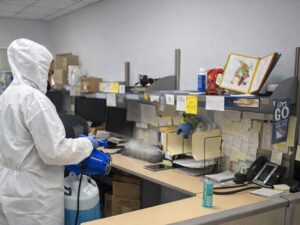
Understanding the distinction between cleaning and disinfecting is essential. Cleaning removes dirt, dust, and some germs from a surface. Disinfecting, however, goes further—it eliminates the germs left behind, reducing the risk of spreading infections.
In most cases, regularly cleaning is enough to maintain a healthy environment. But in commercial spaces with constant foot traffic, shared workstations, and frequent visitors, a targeted approach to both cleaning and disinfection is required.
Key areas that require regular sanitization
Different areas inside a workplace demand specific sanitization strategies. Here are some recommendations:
- High-touch surfaces
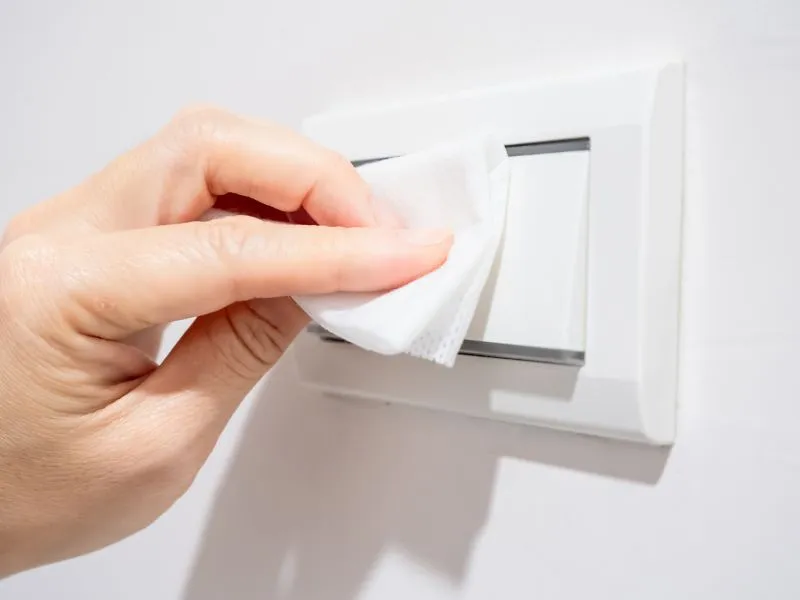
Objects such as door handles, light switches, keyboards, mice, countertops, and store displays must be cleaned and disinfected multiple times a day. These high-touch points are the fastest way for bacteria to spread.
- Floor sare
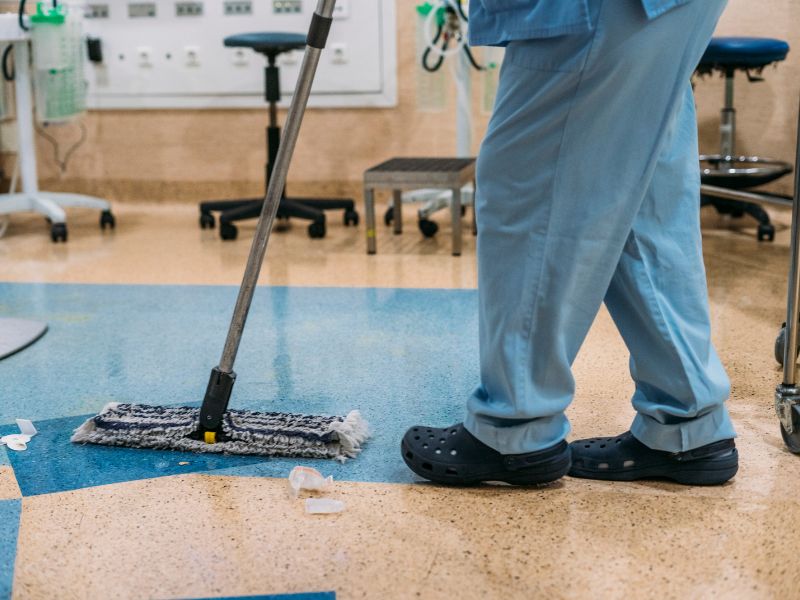
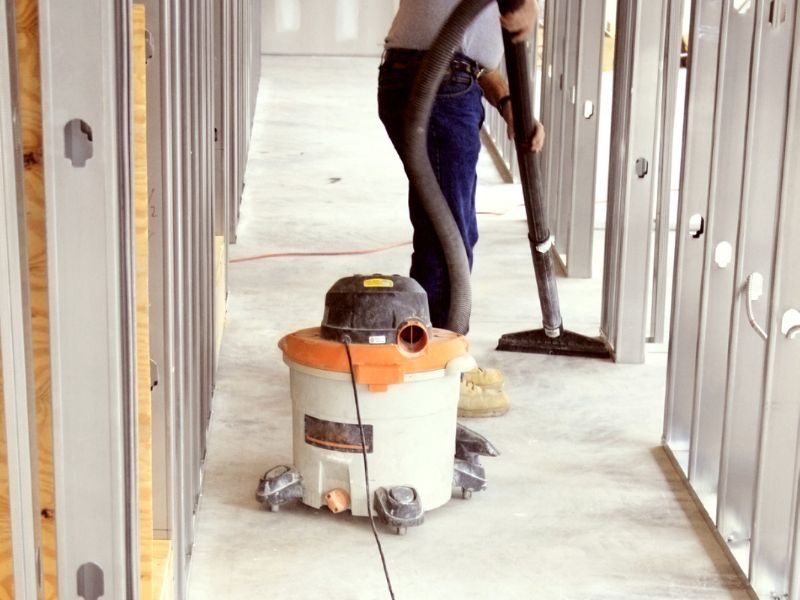
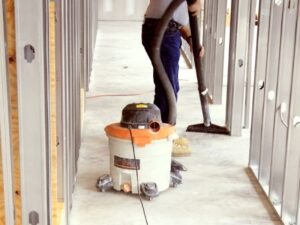
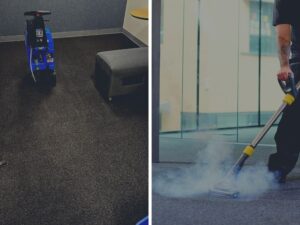
Whether your commercial facility has carpet or hard flooring, floor cleaning is critical. Carpets should be vacuumed daily and deep cleaned at least quarterly, while bathroom floors and high-traffic hallways should be sanitized more frequently.
- Windows and glass surfaces
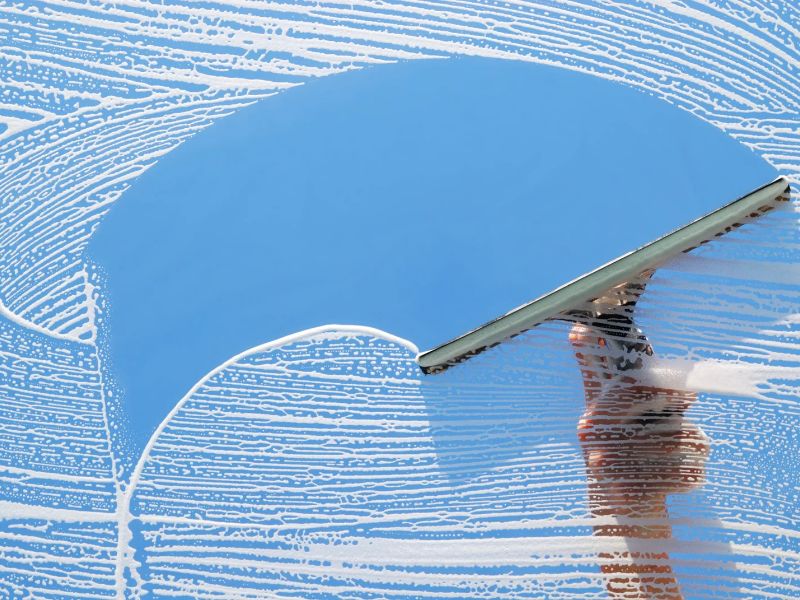
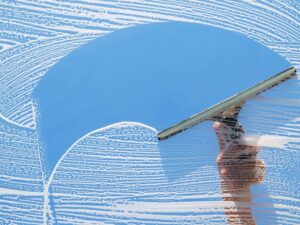
Windows, mirrors, and glass partitions not only affect the appearance of a business but also harbor fingerprints and germs. Regular sanitization keeps them clear and safe.
- High dusting services
Dust accumulates quickly on vents, ceiling fans, and shelving units. High dusting not only improves indoor air quality but also prevents allergens from circulating.
- Break rooms and staff areas
In workplaces with rest areas or nap rooms, bedroom sanitization is necessary to ensure linens and furniture are disinfected to avoid the buildup of allergens and germs.
- Sensitive environments
Daycare centers and healthcare facilities require special care. It’s vital to use disinfection solutions that are EPA-approved, safe, and non-toxic for children and patients.
How to clean and disinfect effectively
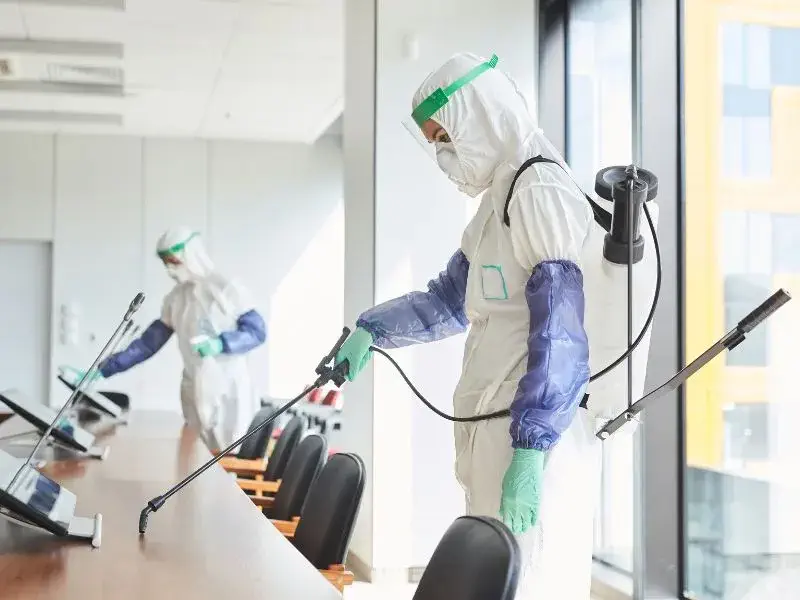
Achieving a truly clean and safe workplace requires more than just occasional wiping. A structured approach ensures that every area is properly addressed and germs are effectively eliminated.
To ensure effective sanitization:
- Use EPA-approved disinfect surfaces products that are safe and eco-friendly.
- Follow manufacturer guidelines for contact time to ensure germs are killed.
- Train staff in basic hygiene practices to reduce contamination.
- Maintain a checklist of tasks to track cleaning routines.
Why commercial sanitization matters
The importance of commercial sanitization extends beyond appearances:
- Compliance with health and safety regulations – Property managers must ensure standards are met.
- Improved air quality – Reduces allergens and pollutants, making workplaces healthier.
- Enhanced customer satisfaction – Clean environments leave a positive impression.
- Reduced absenteeism – Fewer illnesses mean higher productivity.
Tailored sanitization plans for every business
Not all commercial spaces are alike. A small boutique does not require the same cleaning frequency as a large hospital or corporate building. BAP Janitorial considers factors such as:
- Industry sector (healthcare, retail, offices, churches).
- Facility size.
- Volume of daily visitors.
- Sanitary risk level.
From this analysis, customized cleaning and disinfection plans are created.
Besides, cleaning requirements vary significantly depending on the sector, especially when it comes to frequency. In general, we recommend:
- Medical offices and hospitals – Require daily deep disinfection of high-touch areas.
- Retail stores – Need frequent cleaning of floors and checkout areas.
- Daycare centers – Require eco-friendly disinfectants safe for children.
- Corporate offices – Benefit from nightly janitorial services and periodic carpet and floor care.
Best practices for commercial disinfection
Keeping commercial facilities spotless and germ-free is only possible with a well-structured plan. Beyond daily cleaning, businesses should adopt practices that guarantee long-term hygiene and safety.
Some of the best strategies include:
- Establish a consistent routine for cleaning and sanitizing.
- Create a detailed cleaning schedule that includes daily, weekly, and monthly tasks.
- Incorporate special cleaning services like carpet cleaning, stripping and waxing, and window cleaning.
- Always opt for green products approved by the EPA.
- Hire trained professionals for large-scale sanitization needs.
Businesses that require regular sanitization
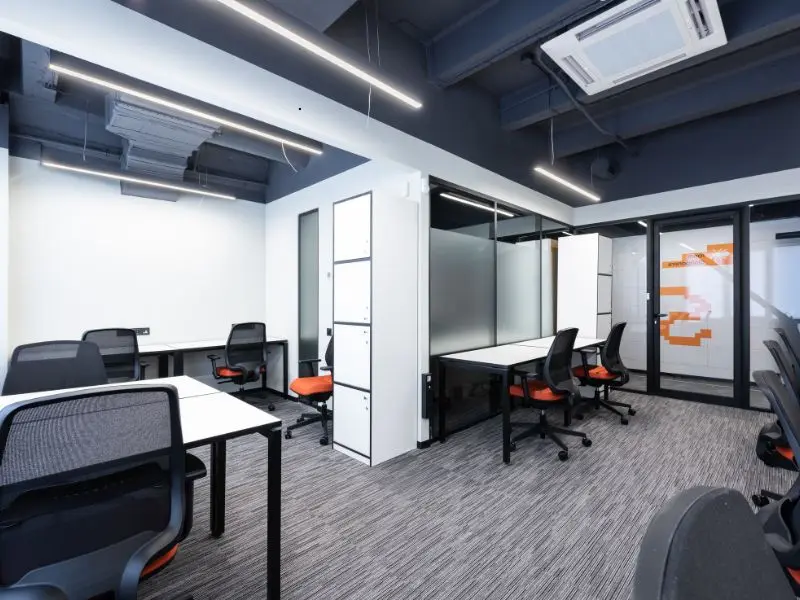
All businesses require commercial space sanitization to maintain a safe and professional environment, but certain sectors benefit the most from ongoing services. These include:
- Corporate offices & buildings
- Medical clinics & health facilities
- Retail stores
- Daycare centers
- Hospitality venues
- Other high-traffic environments such as restaurants, supermarkets, or gyms.
These environments host high traffic and need proactive sanitation to protect both employees and visitors.
Maintaining a sanitized commercial space is about more than appearances—it safeguards health, improves your business image, and ensures compliance with regulations. Partnering with experts like BAP Janitorial allows you to focus on your business while we handle the cleaning and disinfection.
Contact us today and let us create a customized cleaning and sanitization plan that keeps your business safe, healthy, and welcoming.