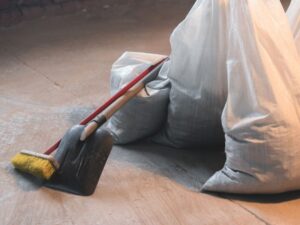
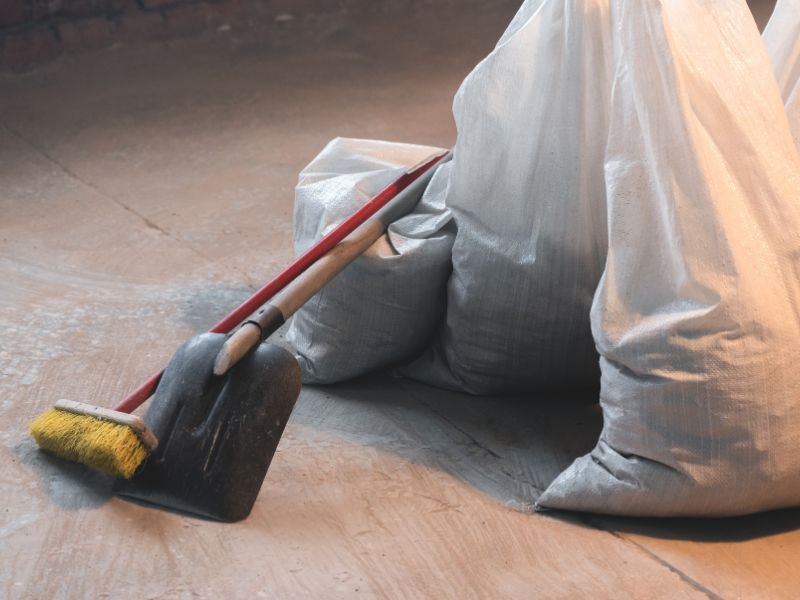
Construction and renovation projects often leave behind one of the most challenging contaminants found in commercial buildings: cement dust. While many people assume it can be removed with routine cleaning, the reality is far more complex. The best way to remove cement dust involves specialized equipment, advanced filtration systems, and professional cleaning processes designed to eliminate dust at its source.
For commercial properties, offices, medical facilities, retail stores, and industrial buildings, incomplete cement dust removal can continue affecting air quality and occupant comfort long after construction has ended.
Why cement dust is so difficult to remove?
Unlike ordinary household dust, cement dust consists of ultrafine particles that can remain suspended in the air for extended periods. These particles easily travel throughout a building, settling on surfaces, entering ventilation systems, and becoming airborne again with normal activity.
One of the most frustrating aspects of cement dust is its tendency to reappear after cleaning. Even when surfaces appear clean, microscopic particles often remain hidden inside HVAC systems, ceiling spaces, carpets, and other porous materials.
This is why many facility managers discover that standard cleaning methods fail to fully resolve the problem.
What is the most effective and best way to remove cement dust?
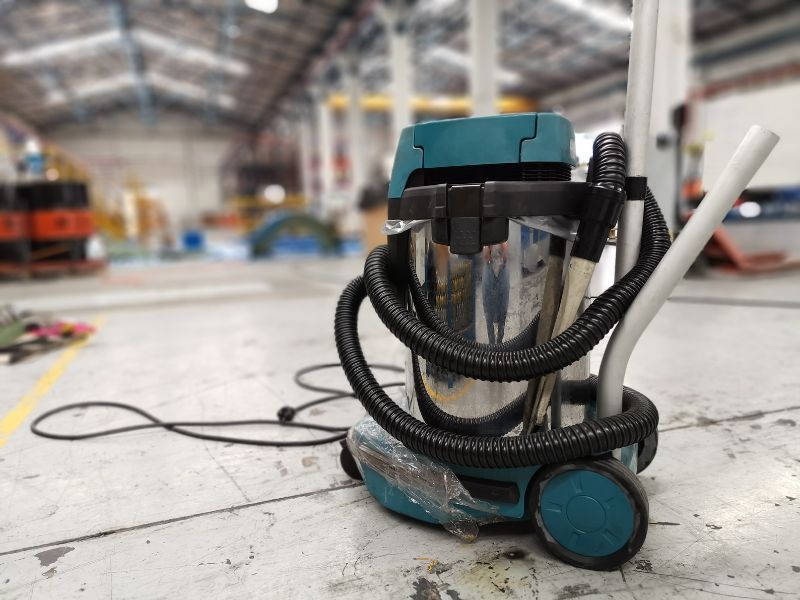
The most effective approach combines multiple professional cleaning technologies rather than relying on a single method.
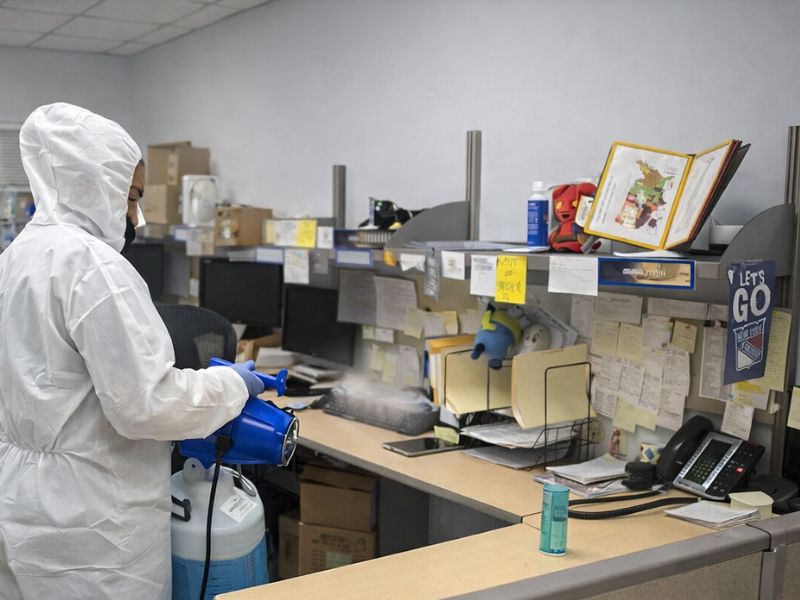
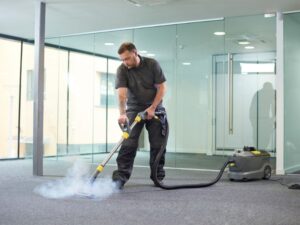
Professional cleaning companies use a combination of specialized equipment and multi-stage cleaning processes to remove cement dust from commercial environments. These methods typically include HEPA filtration systems, dust extraction equipment, wet-cleaning techniques, air scrubbing technology, and detailed cleaning of surfaces where dust tends to accumulate, including accessible air vents and distribution areas.
When used together, these processes help remove both visible dust and microscopic particles that can continue circulating throughout the facility.
Why traditional cleaning methods often fail?
Many commercial property owners attempt to remove cement dust using standard cleaning procedures, only to find that dust continues returning days or weeks later.
Household vacuums are generally not equipped with true HEPA filtration and may release fine particles back into the air. Dry sweeping often disturbs settled dust and redistributes it throughout the space. Feather dusters simply move particles from one location to another.
Even routine janitorial cleaning may not be sufficient when dealing with post-construction contaminants because the equipment and procedures are designed for maintenance cleaning rather than dust remediation.
The hidden risks of cement dust in commercial buildings
Cement dust is more than a cosmetic issue after construction. When fine particles remain inside a commercial building, they can affect air quality, employee comfort, and even the reliability of sensitive equipment long after the project is complete.
Indoor air quality issues
Cement dust can significantly impact indoor air quality by increasing airborne particulate levels throughout the building. Poor air quality may lead to discomfort for occupants and ongoing maintenance concerns.
Employee health concerns
Employees, visitors, and tenants exposed to excessive dust may experience irritated eyes, throat discomfort, coughing, or respiratory irritation, particularly in enclosed environments.
Employees, visitors, and tenants exposed to excessive dust may experience irritated eyes, throat discomfort, coughing, or respiratory irritation, particularly in enclosed environments. The Occupational Safety and Health Administration (OSHA) has established guidelines regarding exposure to respirable crystalline silica and other construction-related dust hazards.
Dust accumulation around air vents and air distribution areas
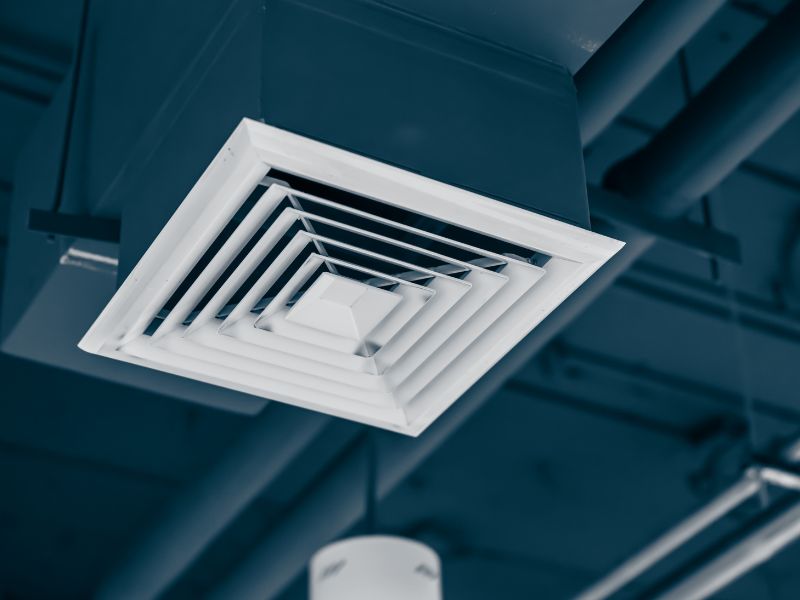
During construction projects, cement dust often settles around supply and return air vents, diffusers, grilles, and surrounding surfaces. As air circulates throughout the building, these areas can become collection points for fine particles that continue spreading dust into occupied spaces.
Professional post-construction cleaning includes detailed cleaning of accessible vent covers, grilles, and surrounding surfaces to help reduce ongoing dust distribution. If significant contamination is suspected inside ductwork or HVAC components, building owners should consult qualified HVAC service providers who specialize in the inspection and cleaning of mechanical air systems.
Damage to sensitive equipment
Offices, healthcare facilities, and industrial operations often rely on sensitive electronic equipment. Cement dust accumulation can interfere with performance, increase maintenance costs, and shorten equipment lifespan.
Professional cement dust removal methods
Effective cement dust removal requires a comprehensive approach that targets both visible debris and microscopic airborne particles. Professional cleaning companies use specialized equipment and proven remediation processes to ensure dust is removed from surfaces, ventilation systems, and the indoor environment as a whole.
HEPA vacuum systems
Industrial-grade HEPA vacuums capture microscopic particles that conventional vacuums often miss. This technology is essential for removing fine construction dust from floors, walls, ceilings, and furnishings.
Air scrubbers and negative air machines
Air scrubbers continuously filter airborne contaminants while negative air machines help control particle movement during the cleaning process.
Surface decontamination
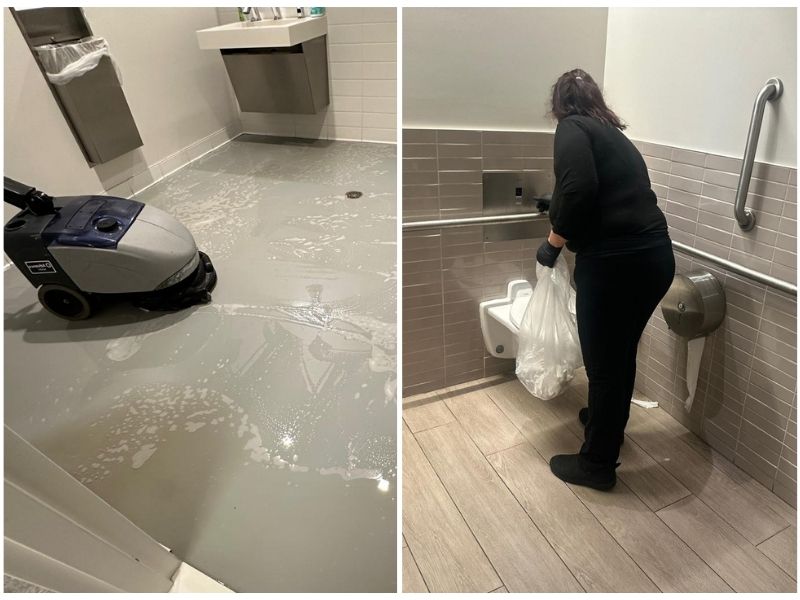
Professional cleaners use specialized cleaning solutions and wet-cleaning methods to remove dust from hard surfaces without redistributing contaminants into the air.
Final dust inspection
A comprehensive post-cleaning inspection verifies that dust levels have been effectively reduced and that no significant contamination remains.
Cement dust removal for different commercial environments
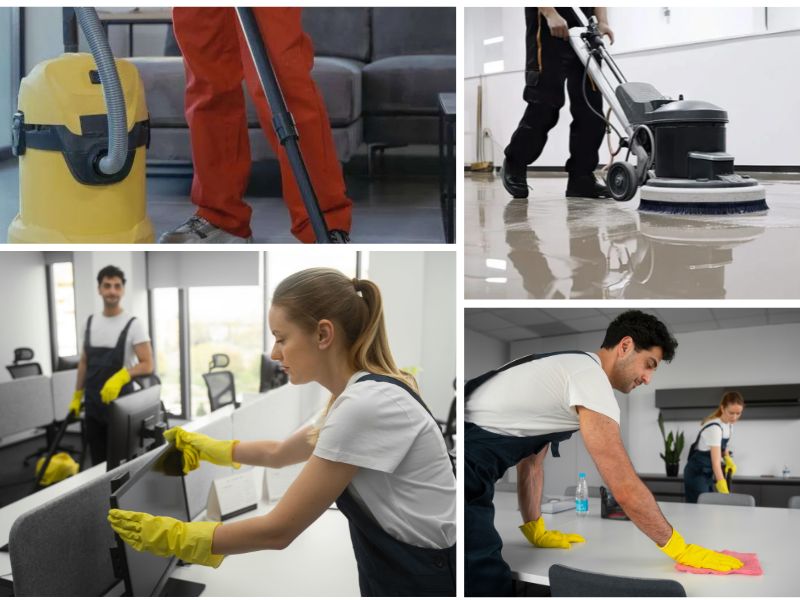
Different facilities require different cleaning strategies.
Corporate offices often require detailed cleaning around workstations, electronics, and conference rooms. Medical facilities demand higher cleanliness standards to support patient and staff safety. Retail stores need dust removal that protects merchandise and customer experiences, while warehouses frequently require large-scale dust extraction across expansive floor areas. Educational facilities benefit from comprehensive cleaning that promotes healthier learning environments for students and staff.
How long does cement dust remain after construction?
The answer depends on several factors, including project size, ventilation conditions, building occupancy, and the extent to which dust has spread throughout the building.
In some cases, cement dust can remain present for weeks or even months after construction if proper post-construction cleaning procedures are not performed. Buildings where dust has accumulated around ventilation areas, ceiling spaces, and hard-to-reach surfaces often experience recurring dust problems long after the project is completed.
Signs your building still has cement dust contamination
Several warning signs may indicate ongoing contamination:
- Dust reappears shortly after cleaning.
- White residue accumulates on surfaces.
- HVAC vents release visible dust.
- Occupants complain about air quality.
- Employees experience eye or throat irritation.
- Dust collects rapidly around electronic equipment.
These symptoms often suggest that deeper remediation is still needed.
When professional cement dust removal is necessary
Professional cleaning services become especially important after large commercial renovations, tenant improvement projects, healthcare facility upgrades, industrial construction work, and multi-floor office renovations.
In these environments, the scale of contamination often exceeds the capabilities of routine cleaning programs.
Cement dust removal services in new jersey
Removing cement dust effectively requires more than surface cleaning. The best results come from a comprehensive strategy that addresses airborne particles, contaminated surfaces, accessible air vents, and other areas where fine dust tends to accumulate.
At BAP Janitorial, we provide professional post-construction cleaning, commercial cleaning services, and specialized dust removal solutions for offices, medical facilities, retail stores, warehouses, and educational buildings throughout New Jersey. Our team uses advanced HEPA filtration equipment and proven cleaning processes to help businesses return to a clean, safe, and professional environment after construction projects are completed.
If your facility continues experiencing recurring dust, poor indoor air quality, or post-construction contamination, professional cement dust removal can help restore your building and protect your investment.